Key Takeaways
- Glaucoma often develops quietly, so you might not notice changes until you start to lose side vision
- Early warning signs include gradual loss of peripheral vision, patchy sight, and eye pressure.
- Being over 40, family history, and diabetes can raise your risk.
- Routine eye exams help catch changes before they affect daily life.
- Sharing your family eye history helps your eye care team keep your eyes healthy.
What Glaucoma Is & Why It Matters
Glaucoma is a group of eye conditions tied to pressure inside your eye. That pressure can slowly damage the optic nerve, which carries visual information to your brain.
Here’s the tricky part. The damage caused by glaucoma often happens without pain or obvious symptoms, so you can start losing your vision without realizing it. Over time, untreated glaucoma can lead to permanent vision loss.
The earliest warning signs of glaucoma often include gradual loss of side vision, blurred or patchy sight, and a feeling of pressure in your eye. Regular family eye care from a provider like Dr. Bishop and Associates in Calgary can help catch vision problems like glaucoma before they affect your daily life.
Symptoms of Glaucoma
While glaucoma often progresses without obvious symptoms, many people notice:
- Halos or rainbow rings around lights, especially at night
- Redness or discomfort that lingers
- Trouble adjusting when you walk into a dark room
- Gradual loss of peripheral, or side, vision
- Blurred or patchy areas in your sight
- A dull ache or pressure feeling in or around your eye
These changes tend to be subtle at first, and many people don’t notice a problem until they’ve already experienced vision loss.
Who Faces Higher Risk for Glaucoma
Some people have a higher chance of developing glaucoma. Knowing where you stand helps you plan your eye care.
You may face a higher risk if any of these apply:
- A family history of glaucoma or other eye disease
- Age over 40
- Diabetes or higher than average eye pressure
Having one of these risk factors doesn’t mean that you’ll get glaucoma. It just means that routine checks are a little more important.
How Diabetic and Regular Exams Help
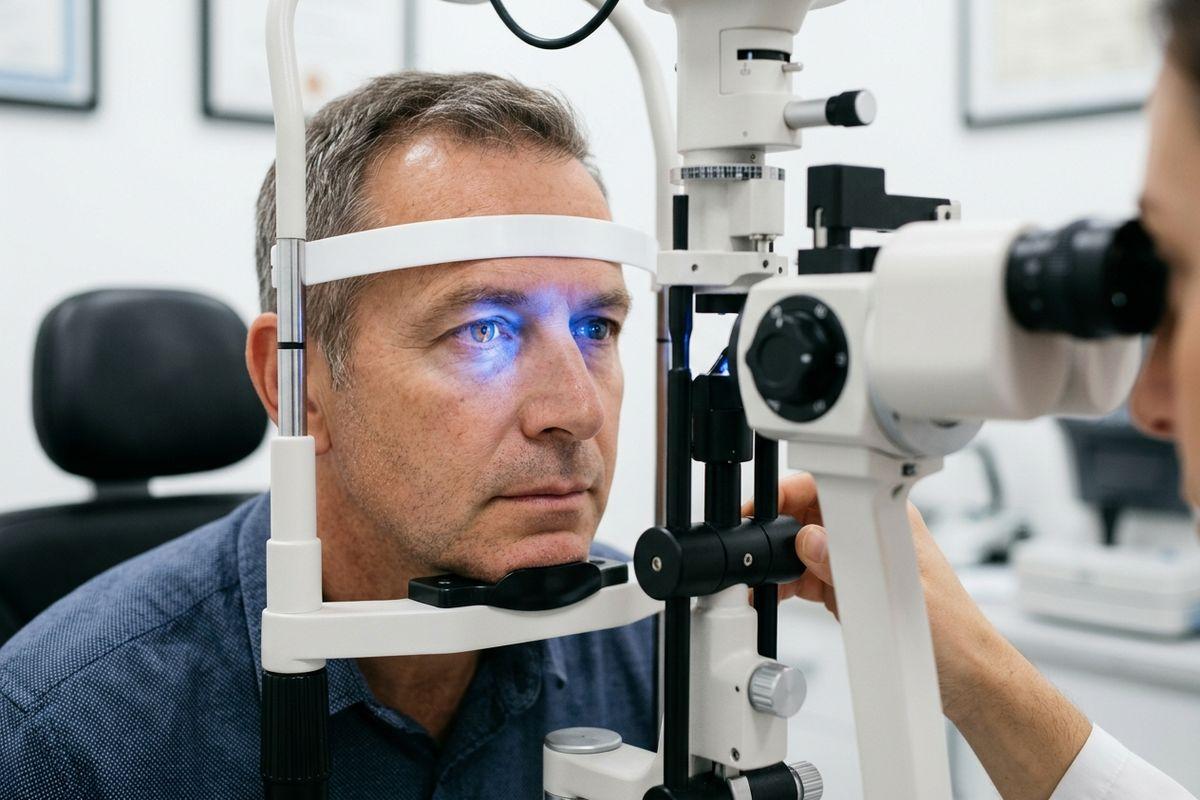
Diabetes can affect the tiny blood vessels in your eyes, and over time, this increases a person’s risk of developing glaucoma. Regular eye exams allow us to notice changes and manage them before they cause permanent damage.
How Your Eye Doctor Checks for Glaucoma
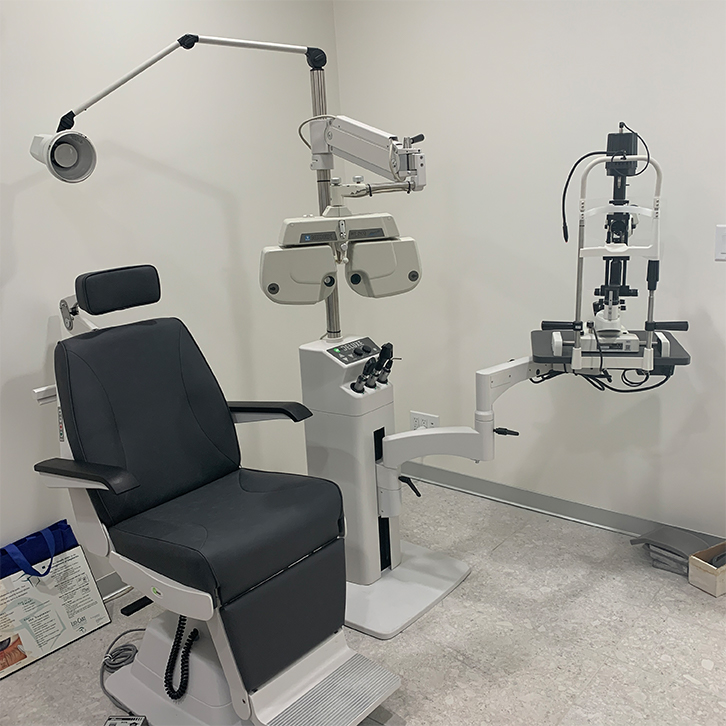
Testing for glaucoma is straightforward and doesn’t hurt. It typically involves:
- Measuring the pressure inside your eye
- Imaging your optic nerve with retinal imaging and 3D OCT scans to examine the layers of the retina and optic nerve for signs of damage.
- Testing your side vision with a field test
Afterward, we’ll let you know whether we’ve found signs of the disease. If we have, we’ll recommend a treatment and management plan to protect your vision.
Keep Your Vision Healthy
For over 42 years, Dr. Bishop and Associates has helped Calgary families keep their vision clear and comfortable. Book your comprehensive eye exam today and give your eyes the attention they deserve.