Glasses do their job quietly, so most people don’t think about replacing them until something feels off. Fuzzy text at the end of the day or a frame that keeps sliding down your nose usually means your current pair has fallen behind.
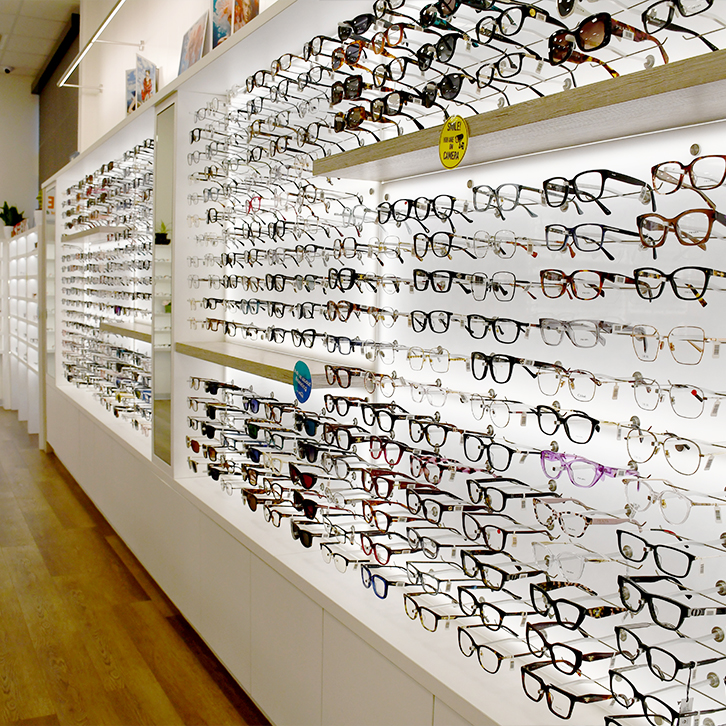
Most people replace their glasses every 1 to 3 years, though the right timing depends on how much your prescription changes and how well your frames hold up. Our selection of frames and lenses gives you somewhere to start once you know what you need.
How Long Glasses Usually Last
Daily wear adds up. Hinges loosen, arms bend from being pulled off one-handed, and nose pads stretch until the whole pair sits crooked. Lens coatings wear down on their own schedule. That anti-reflective layer cutting glare from your monitor can craze or peel over time, especially if you clean your lenses with the hem of your shirt.
Then there’s your prescription. Small changes stack up year over year, and a pair that felt sharp two years ago might have you squinting at highway signs now. That’s normal, and it’s part of why an exam every year is the general recommendation for adults.
Signs Your Glasses Need an Update
Your eyes usually tell you when something needs to change. You just have to notice the clues. Watch for a few of these:
- Blurry vision or squinting to read street signs and menus
- Headaches that turn up after a long stretch at your desk
- Scratched lenses that scatter light across your field of view
- Frames that slide down your nose or pinch behind your ears
- Holding your phone farther away than you used to
One of these on its own might just call for an adjustment. When a few show up in the same week, book an exam and have your prescription rechecked.
Glasses and Digital Eye Strain
Screens ask a lot of your eyes. If you spend hours on a laptop or phone, you might feel the effects by mid-afternoon. Digital eye strain covers a handful of symptoms:
- Tired, heavy eyes after a long work session
- Dryness that builds because you blink less while you concentrate
- Trouble refocusing when you look up from your laptop
- Neck and shoulder tension from leaning toward the monitor
Lenses built for screen distance can ease some of that, and our approach to digital eye strain starts with how far you actually sit from your screen. If your glasses are older than your work-from-home setup, that distance may not match what your lenses were made for.
How Age Affects Replacement Timing
Your age plays a big role in how fast you’ll cycle through pairs.
Glasses for Children
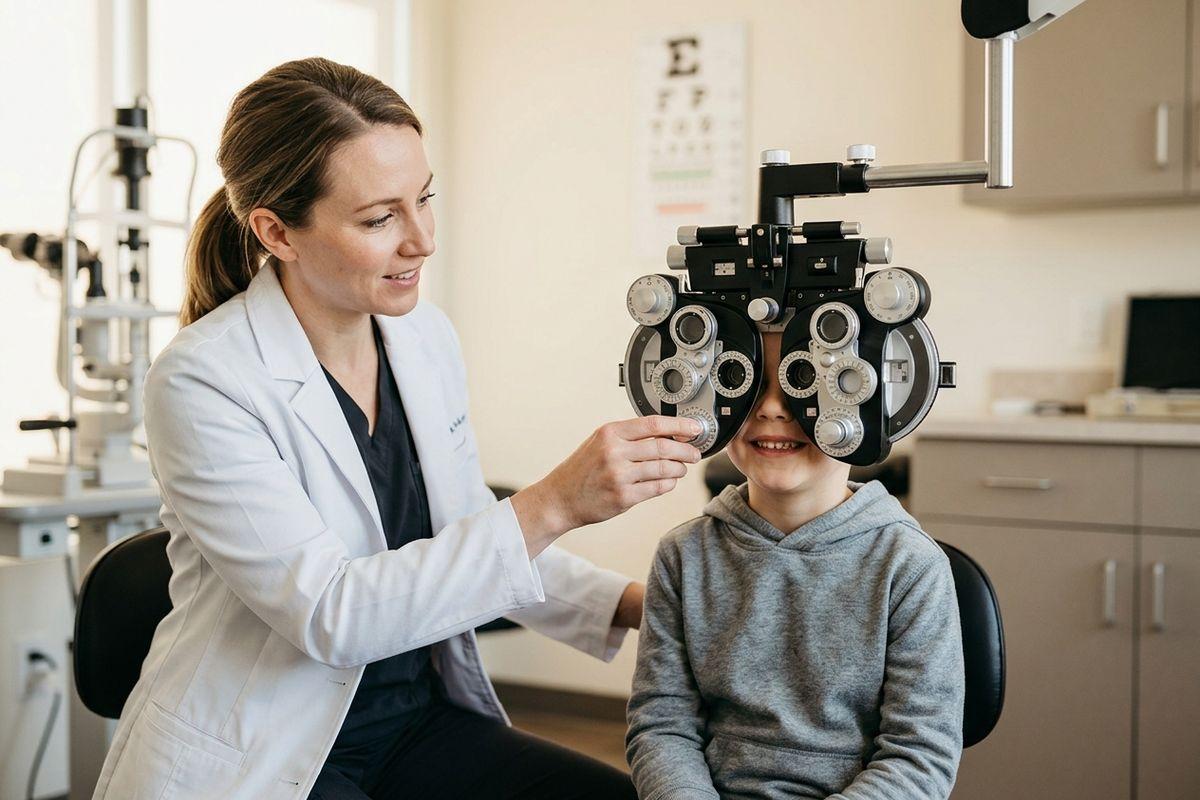
Children’s eyes grow along with the rest of them, and a prescription can change within months. Plenty of kids end up in a new pair once a year, sometimes sooner when nearsightedness is progressing quickly. Durability counts for a lot at that age, too. Flexible hinges and impact-resistant lenses hold up better through recess and hockey practice.
Myopia management can slow how fast nearsightedness progresses, which may mean smaller jumps between prescriptions as your child grows. Book annual exams so their glasses keep pace with the whiteboard.
Glasses for Adults
Around 40, reading up close starts taking more effort. Labels, menus, and the fine print on a bottle get harder to read, especially in dim light. That’s presbyopia, and it comes on slowly enough that most people adapt without realizing it. You hold things at arm’s length, turn the brightness up, and blame the restaurant lighting.
Progressive lenses can handle near and distance in one pair. The near portion tends to need updating every couple of years, since your focusing ability keeps changing well into your 60s.
What an Eye Exam Tells You Beyond Your Prescription
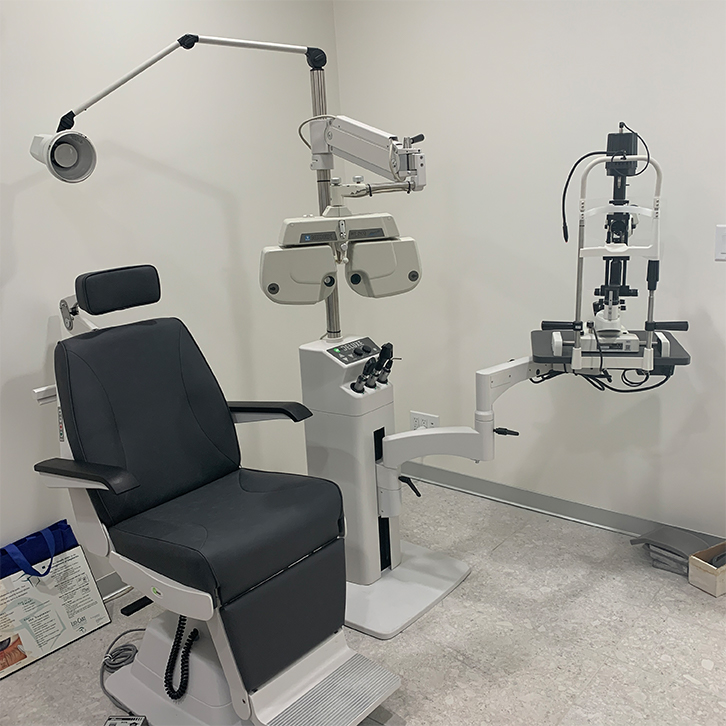
An exam updates your numbers and gives your optometrist a good look at the health of your eyes.
We check for early signs of glaucoma and cataracts during a routine visit, often before you’d notice anything yourself. Finding those changes early can leave you with more options.
If you wear contacts most days, a contact lens fitting matches the lens to your eye shape and how you spend your time. That can mean fewer uncomfortable afternoons.
How to Choose Your Next Pair
Picking new glasses can feel like a chore. It doesn’t have to. Virtual try-on lets you preview shapes from your couch, so you can narrow the field before you walk through the door.
Think about your day when you get here. Screen work calls for different lens options than driving at night does, and a prescription pair of sunglasses might be worth adding if you spend your weekends outside.
And hang onto your old glasses. A backup pair in the car or your desk drawer covers you on the day a hinge gives out.
Ready for a New Pair of Glasses?
There’s no expiry date printed on a pair of glasses. Your prescription, your habits, and the condition of your frames all factor in, and an exam can help you sort out where you stand.
Dr. Bishop & Associates has cared for Calgary families for more than 42 years, and we’d love to help you find a pair that suits your eyes and your day. Book your next eye exam and let’s take a look together.