Key Takeaways
- Cold wind and dry winter air can prompt extra tears to protect your eyes.
- Watery eyes often start with poor tear quality, not too much moisture.
- Dry eye therapy looks at the root cause and offers non-invasive IPL and radiofrequency options.
- Wraparound glasses, a humidifier, and rest can ease symptoms at home.
- Pain, discharge, or vision changes are reasons to book an eye exam.
Why Your Eyes Water in Cold Weather
You step outside on a crisp Calgary morning, and within seconds your eyes start to stream. This might understandably feel backwards. After all, shouldn’t cold, dry air dry your eyes out? Our team at Dr. Bishop and Associates hears this question from Calgary families every winter.
Your eyes water in cold weather because wind and dry air cause irritation and disrupt your tear film. Your eyes respond by producing a burst of reflex tears to protect themselves.
Common Signs to Watch For
Watery eyes rarely show up alone. Paying attention to what comes with them can help you distinguish a passing reaction from one that needs prompter care.
Here are some signs worth noticing.
- Excess tears the moment you head outdoors
- Blurry vision or a stinging feeling that comes and goes
- Red, irritated eyelids that feel raw or tender
A little watering on a windy day is normal. Symptoms that stick around after you come back inside are worth a closer look.
How Dry Eyes Lead to Watery Eyes
The Tear Film Connection
It sounds odd, but watery eyes often trace back to dryness. Your tears are made of water, oil, and mucus. When the oil layer runs low, your tears evaporate too quickly and leave dry patches on the surface of your eyes.
Your eyes respond by trying to flush these dry patches away with reflex tears. However, reflex tears aren’t designed for long-term lubrication, so your eyes end up drying out again, causing the cycle to repeat. Dry winter air speeds up this process.
How Dry Eye Therapy Can Help
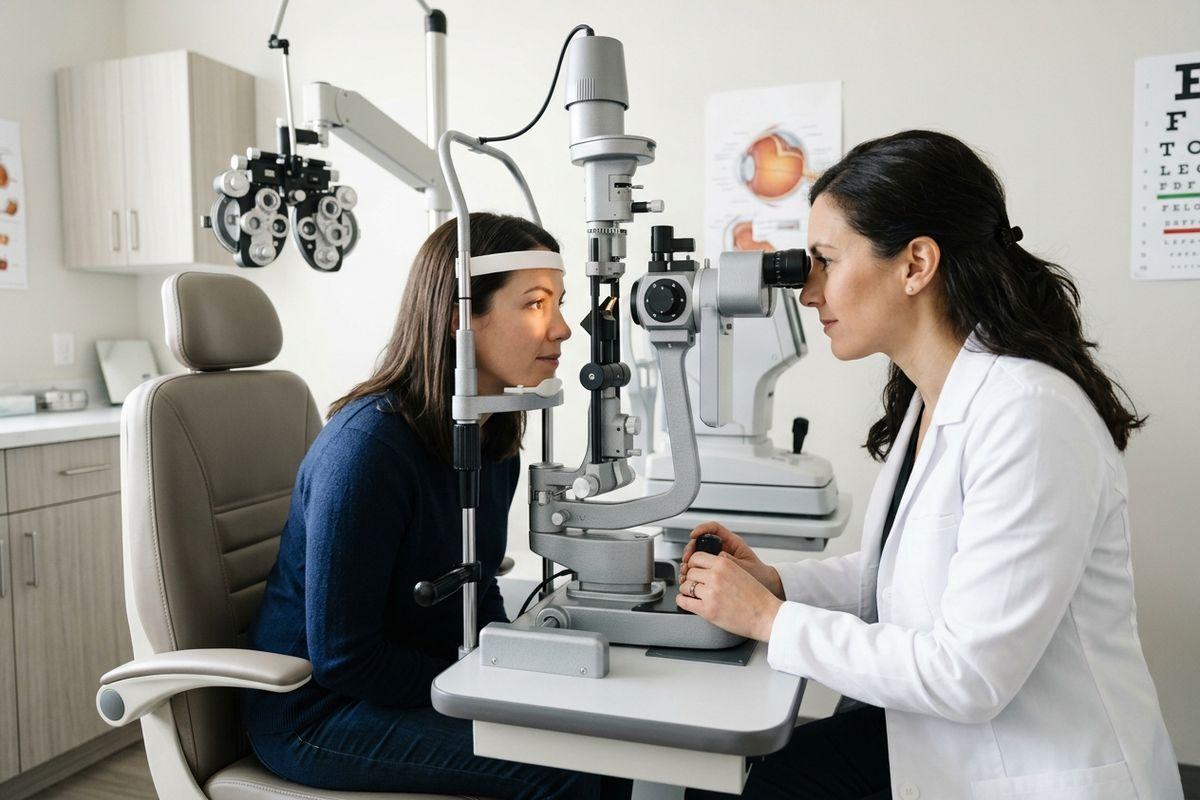
Instead of masking the problem, dry eye therapy starts with finding out why your tear film keeps breaking down. As part of this process, we’ll assess the health of your tear glands and the quality of your tears.
From there, non-invasive options like intense pulsed light (IPL) and radiofrequency treatments can help the oil glands along your eyelids work more smoothly. Better oil flow can mean steadier tears and fewer watery episodes when the temperature drops.
Simple Ways to Ease Watery Eyes at Home
Small changes can take the edge off before your next appointment. Try these at home.
- Wear wraparound glasses outside to block wind from hitting your eyes directly.
- Run a humidifier indoors to add moisture back into dry, heated air.
- Drink water through the day and give your eyes short breaks from screens.
These steps can reduce daily irritation. However, if symptoms persist, the cause may be deeper than just the weather, so it’s probably worth visiting your optometrist.
When to See the Team for Watery Eyes
Signs You Need an Eye Exam
Most cold-weather tearing settles on its own. Some signs point to something that needs attention.
Book an exam if you notice these signs.
- Symptoms that last well past the coldest days
- Pain, discharge, or changes in how clearly you see
Comfortable Eyes Through Every Calgary Winter
Watery eyes in the winter cold can often point to deeper tear film troubles. With the right care, you can spend more time enjoying the season and less time wiping your eyes.
Dr. Bishop and Associates has supported Calgary families for over 42 years, and we’re ready to help you find lasting relief. Book your eye exam today and take the first step toward clearer, more comfortable vision.