
Key Takeaways
- UV rays reach your eyes in every season, even on cloudy days.
- Snow can reflect up to 80% of UV light, so light hits your eyes from above and below.
- Too much UV can lead to snow blindness, a painful sunburn of the cornea.
- Sunglasses can help reduce glare, block some wind, and lower your risk of long-term eye problems.
- Your eye doctor can help match you to sunglasses that work for your lifestyle.
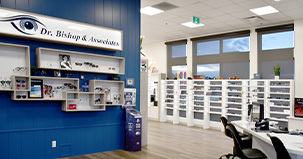
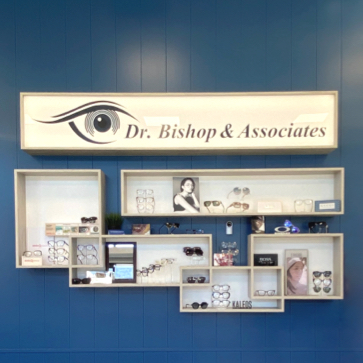
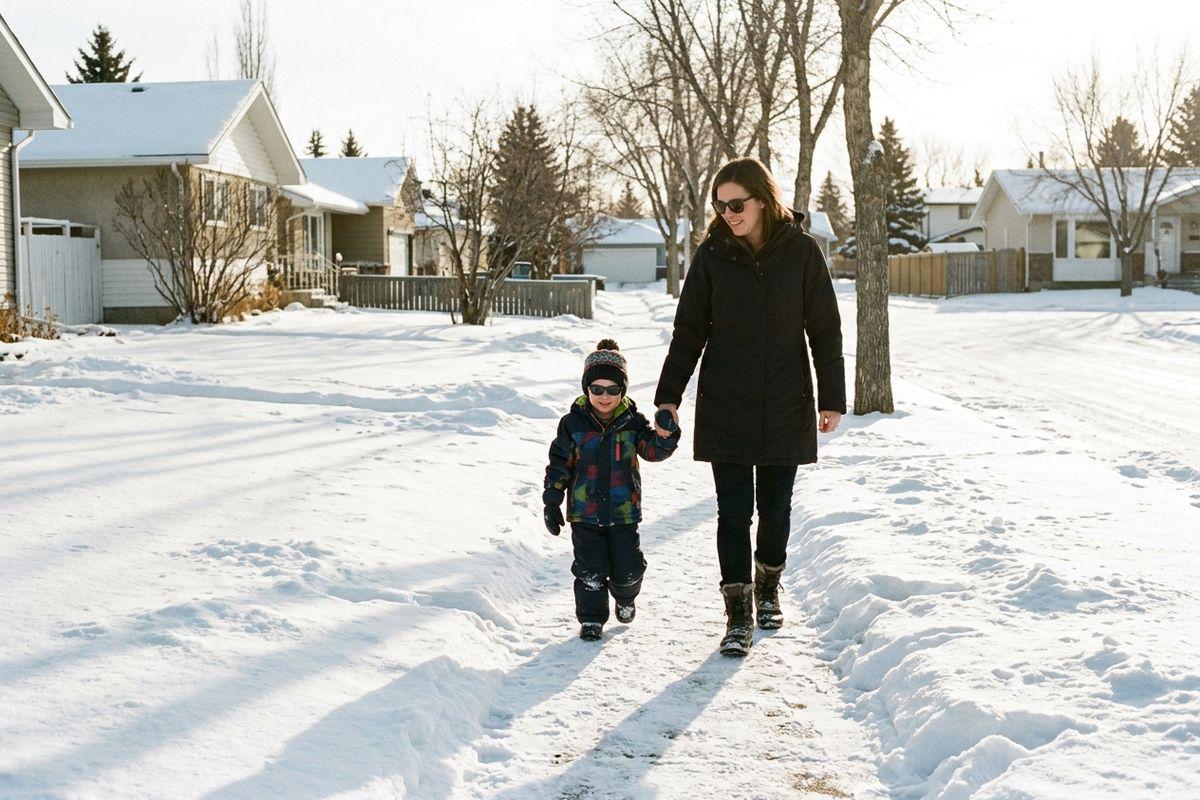
The first big snowfall here in Calgary turns everything bright white. You step outside for school pickup, and the glare off the sidewalk has you squinting before you reach the car. It’s easy to tuck your sunglasses into a drawer once summer ends, but our team at Dr. Bishop & Associates knows that your eyes need year-round protection from the sun.
Yes, you need sunglasses in winter because UV rays, snow glare, and cold wind can all affect your eyes.
Why Your Eyes Need Sun Protection in Winter
UV Rays
Short days and grey skies can make it feel like the sun has taken a break, but Calgary is the sunniest major city in Canada. UV rays can pass through light cloud cover, so an overcast afternoon can still expose your eyes.
Snow and Ice Bounce Light Back at You
Fresh snow works like a giant mirror. It can reflect UV light right back toward your face, which can cause intense glare. The winter sun also sits lower in the sky, closer to eye level, so light reaches your eyes from above and below at the same time.
What Is Snow Blindness?
Snow blindness is a painful sunburn of the cornea, the clear front surface of your eye, from too much UV. Your risk climbs at high altitudes, so a bright day on a mountain ski hill calls for extra care.
Signs to Watch For
After a long day outdoors, keep an eye out for these signs:
- Redness, pain, or swelling in or around your eyes.
- Blurry vision and sensitivity to bright light.
- A gritty feeling in your eyes.
- Excessively watery eyes.
If discomfort persists or worsens, our team can examine your eyes and help you feel more comfortable.
How Sunglasses Help
Lower Risk of Long-Term Eye Problems
UV exposure is linked to a higher risk of developing cataracts and age-related macular degeneration (AMD). Sunglasses can help lower your risk by blocking UV every time you head outside. They also shield your eyelids and the delicate skin around your eyes.
Regular cataract exams help the team track changes in your eyes over time.
Less Glare on Snowy Roads
Driving into a low afternoon sun on Deerfoot Trail can feel like staring into a flashlight. Glare can hide traffic signals, people in crosswalks, and icy patches ahead. Sunglasses can cut that glare, so you can drive more comfortably.
Relief from Cold, Dry Wind
Calgary is dry, and a short walk in the winter can leave your eyes watery and stinging. Wraparound styles help block some blowing snow and flying debris, which may help with dry eye symptoms. If irritation lingers all season, we provide comprehensive dry eye therapy that can help you find relief from the discomfort.

How to Choose Winter Sunglasses
Lens Features to Look For
Not every pair of sunglasses is made the same. Some sunglasses are dark-tinted but offer no UV protection, which can actually damage your eyes more because your pupils dilate and let in more light.
You want to look for lenses that offer 100% UVA and UVB protection. If you want to cut glare reflecting off snow and ice, look for polarized lenses. If you want lenses that adjust to changing light, ask our team about photochromic lenses.
Find Your Pair with Help from Our Team
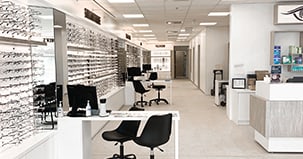
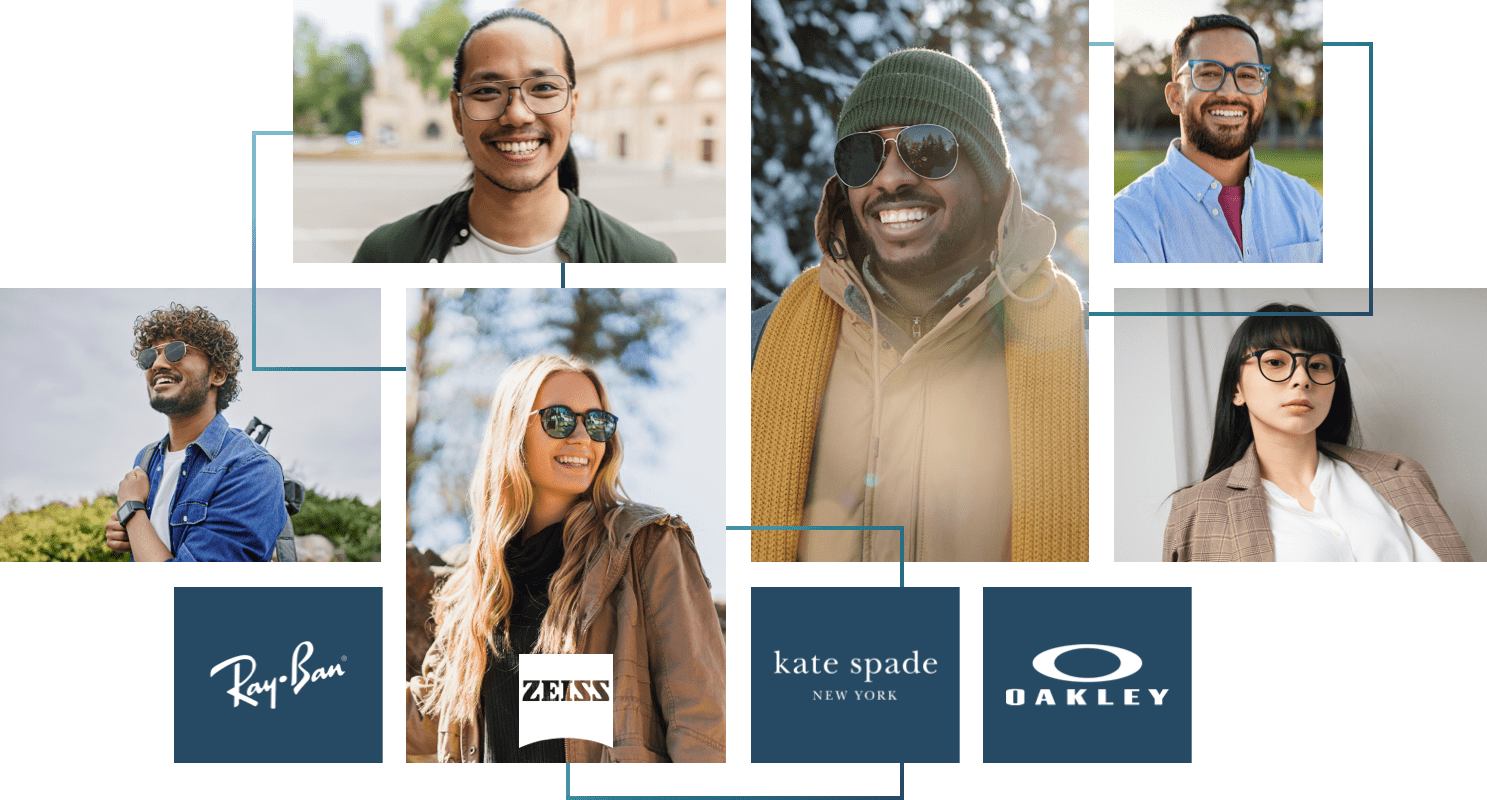
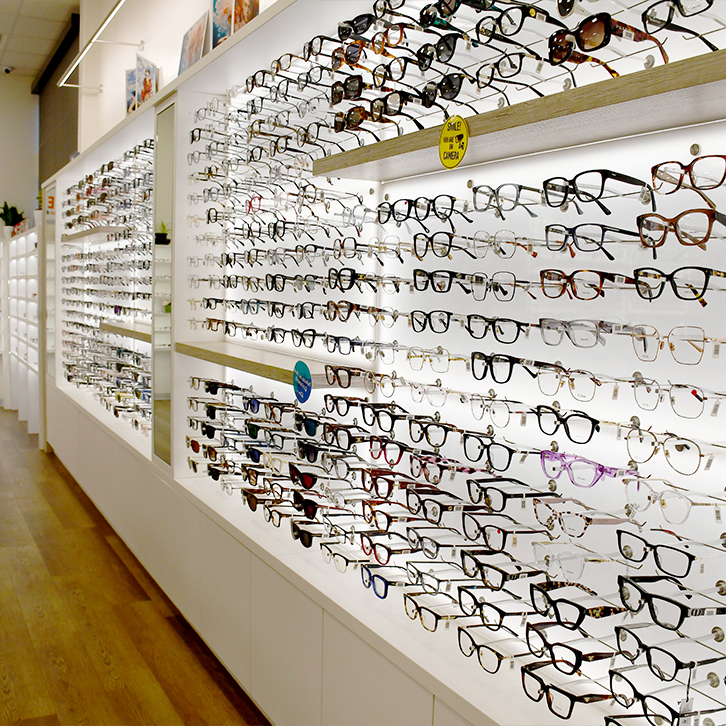
Our experienced optical team can help you choose prescription sunglasses from a wide range of stylish eyewear and frames. Virtual try-on glasses let you preview styles from home before you visit.
Kids need protection too, so pair your child’s new shades with a children’s eye exam to keep their vision on track.
Dark Lenses Don’t Always Mean Better UV Protection
It’s easy to assume that darker sunglasses offer better protection from the sun, but lens tint and UV protection are two different things. UV rays are invisible to the human eye and fall outside the visible light spectrum, so a lens can look very dark without blocking 100% of harmful UVA and UVB rays. Dark lenses without adequate UV protection can be particularly problematic because your pupils may widen in the reduced visible light, allowing more UV to enter your eyes.
The good news? Lenses don’t have to be tinted to protect your eyes. Clear lenses can provide 100% UVA and UVB protection, making them a great option for everyday eyewear, even when you don’t need sunglasses.
At Dr. Bishop & Associates, we offer ZEISS lenses, which are designed to provide full UVA and UVB protection even in clear, untinted options. Whether you’re choosing everyday glasses or sunglasses for Calgary’s bright winter days, our optical team can help you find lenses that suit your needs. Look for verified UV protection rather than relying on lens colour alone.
Book a Winter Eye Exam in Calgary
Calgary winters bring bright snow, a low sun, and biting wind. A good pair of sunglasses can help support your eyes through it all. For family eye care Calgary can rely on, book an appointment with Dr. Bishop & Associates, and let the team help you find your winter pair.
Your sunglasses don’t need to hibernate this winter. ❄️😎
Fresh snow can reflect up to 80% of the sun’s UV rays. That means winter sun protection matters, even when temperatures drop.
With Calgary’s first snowfall around the corner, here are a few things worth knowing about winter eye care.
☁️ Cloudy weather doesn’t mean UV-free skies. Clouds can reduce UV exposure, but UV rays can still reach your eyes on overcast days. Snow can reflect additional UV radiation, increasing your exposure outdoors.
☀️ Winter glare can catch you off guard. When the sun sits low in the sky, it can shine directly into your eyes while you drive. Snow and ice can also reflect bright light, making it harder to see comfortably.
⛷️ Snow blindness is real. Also called photokeratitis, it is a temporary, painful injury to the eye’s surface caused by too much UV exposure. Symptoms can include redness, a gritty feeling, light sensitivity and blurry vision. It is a particular risk during activities like skiing, especially at higher elevations.
Over time, UV exposure can contribute to certain eye conditions, including cataracts. Wearing sunglasses with proper UV protection is a simple way to help protect your eyes throughout the year.
Here is what to look for in your winter sunglasses:
✅ 100% UVA and UVB protection
✅ Polarized lenses to reduce reflected glare from snow, ice and roads
✅ A comfortable fit that helps limit light entering around the frames
✅ Lens tints suited to your activities and lighting conditions
At Dr. Bishop & Associates, we can help Calgary families explore prescription sunglasses and stylish frames to suit their needs. You can even preview different styles from home with virtual try-on glasses. 💙
Where do your sunglasses spend the winter: in your car, your bag, or the back of a drawer?
#FamilyEyeCare #CalgaryEyeCare #YYC #WinterEyeCare #UVProtection #Sunglasses #DryEyeTherapy