
Key Takeaways
- High blood sugar can damage the tiny blood vessels in your retina over time.
- Diabetes raises your risk for diabetic retinopathy, macular edema, cataracts, and glaucoma.
- Early eye changes often have no symptoms, so regular eye exams matter.
- A diabetic eye exam may include dilating drops to examine your retina. Your optometrist may also recommend retinal imaging, such as an OCT scan, when needed.
- Following your eye doctor’s recommended exam schedule and maintaining healthy daily habits can help support your vision.
When people think of diabetes, the eyes aren’t the first thing that comes to mind. But at Dr. Bishop & Associates, we want Calgary families to understand the impact that diabetes can have on the eyes and how our team can care for your long-term sight.
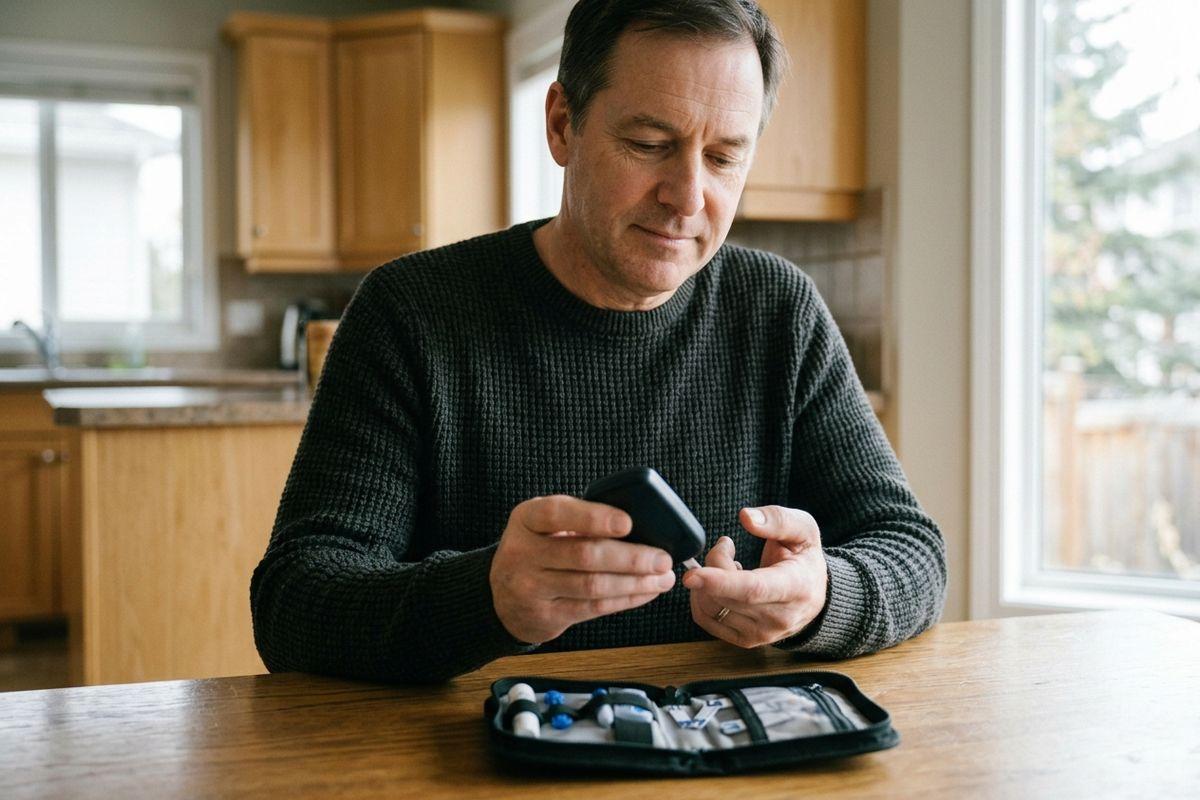
Yes, diabetes can affect your eyes, and changes can begin before you notice any difference in how you see. A diabetic eye exam with our team can help spot these changes early, when there are often more management options available.
How Does Diabetes Affect Your Eye Health?
High blood sugar can harm the tiny blood vessels in your retina, the light-sensitive tissue at the back of your eye. Over time, this raises your risk for several eye conditions.
Eye changes can happen even when you keep your blood sugar well controlled. That’s why people with diabetes are often recommended to have annual eye exams, so that your eye doctor can monitor and detect any changes early.
Common Eye Conditions Linked to Diabetes
Diabetic Retinopathy and Macular Edema
Diabetic retinopathy occurs when high blood sugar damages the small blood vessels in the retina. These blood vessels can leak or become blocked, potentially causing vision loss if the condition progresses without treatment.
Diabetic macular edema is a complication that can develop when damaged blood vessels leak fluid into the macula, the part of the retina responsible for sharp, central vision. This swelling can cause blurry or distorted central vision, making activities like reading, recognizing faces, and seeing fine details more difficult.
Cataracts
A cataract develops when the natural lens inside your eye becomes cloudy, making it harder for light to pass through clearly. This can cause blurry vision, increased glare, and colours that look faded or less vibrant. People with diabetes may develop cataracts at a younger age. Regular cataract exams help your eye care team monitor changes in your lenses and determine when treatment may be needed.
Glaucoma
Glaucoma is a group of eye conditions that damage the optic nerve, which carries visual information from your eye to your brain. This damage can lead to permanent vision loss, often starting with peripheral (side) vision.
Diabetes is associated with an increased risk of glaucoma, including a less common type called neovascular glaucoma. This type develops when abnormal blood vessels grow in the eye and can block normal fluid drainage, causing pressure inside the eye to rise. Regular eye exams can help detect signs of glaucoma, sometimes before you notice changes in your vision.
Signs You Should Book an Eye Exam
In the early stages of many of these eye conditions, there are no noticeable symptoms. You can go about your daily life without experiencing any disruptions in your vision.
If you notice any of the following, it’s a good idea to have your eyes assessed by your optometrist:
- Your vision looks blurry or cloudy.
- Your vision seems to shift or change.
- New floaters or spots drift across your view.
Seek urgent eye care for a sudden increase in floaters, flashes of light, a dark curtain or shadow across your vision, or sudden vision loss. These symptoms can signal a serious eye problem that needs prompt assessment.
What Happens at a Diabetic Eye Exam?
What to Expect
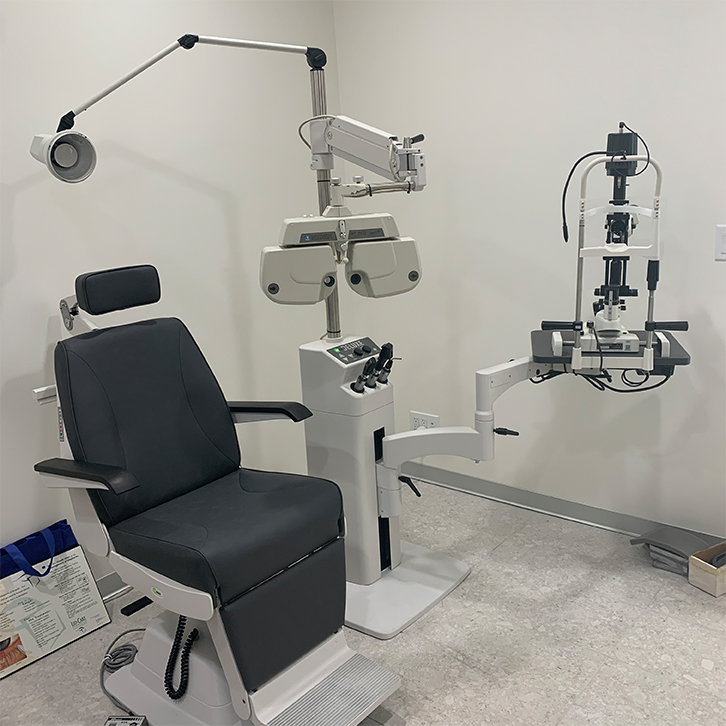
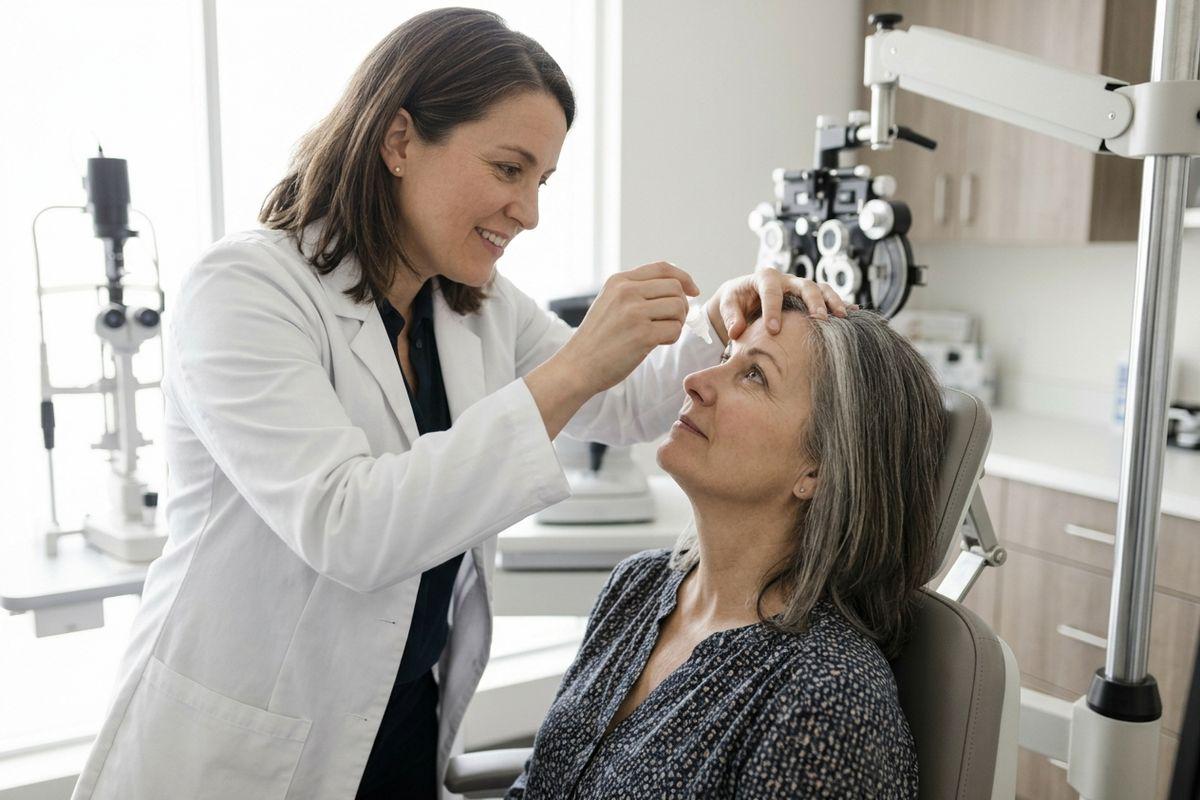
Your eye exam is a complete assessment of your eye health, from how well you see to the structures inside your eyes. In some cases, your optometrist may recommend a dilated eye exam to help them see a wide view of the back of your eye. If so, our team will let you know ahead of time so you know what to expect.
How to Prepare for Your Visit
It’s a good idea to bring these items to your appointment, as your eye doctor may ask you questions about them:
- Your diabetes history and recent A1C readings.
- A list of the medications, vitamins, and supplements you take.
- If you’re getting a dilated eye exam, sunglasses to help with the light sensitivity afterwards.
Some people experience blurry vision after the dilating drops, so they ask a loved one or friend to drive them home afterwards.
How Can You Protect Your Eyes if You Have Diabetes?
If you have diabetes, your eye doctor can talk with you about a plan to support your long-term vision health. Your schedule will be tailored to your needs, but generally, an annual eye exam is recommended. Regular visits help detect signs of eye disease, sometimes before you notice symptoms.
Daily Habits for Healthy Eyes
Keeping your blood sugar, blood pressure, and cholesterol in check helps your eyes as much as the rest of your body. Stay active and enjoy a balanced diet, whether that means an evening walk through your neighbourhood or a dinner plate loaded with colourful vegetables.
If you smoke, quitting can lower your risk of eye disease.
Book Your Eye Exam in Calgary
Diabetes can affect your eyes in ways you may not notice right away. Regular exams, healthy daily habits, and a caring team on your side can help you protect your vision for years to come. At Dr. Bishop & Associates, we’re ready to welcome you and your family. Book your diabetic eye exam today and give your eyes the attention they deserve.
LinkedIn Post
You can see clearly and still have diabetes-related changes in your eyes. 👀
That’s why regular eye exams belong on your diabetes care list, even when your vision seems perfectly normal.
High blood sugar can damage the tiny blood vessels in your retina, the light-sensitive tissue at the back of your eye. Over time, diabetes can increase your risk of several eye conditions, including diabetic retinopathy, diabetic macular edema, cataracts, and glaucoma.
The tricky part? Early changes often have no noticeable symptoms. And while keeping your blood sugar well controlled helps lower your risk, it does not eliminate it.
What happens during a diabetic eye exam?
Your optometrist checks your vision and looks for signs of changes inside your eyes. They may use dilating drops for a better view of your retina, and they may recommend retinal imaging, such as an OCT scan, when needed.
Here are a few ways to stay on top of your eye health:
✅ Follow the eye exam schedule recommended by your optometrist. Depending on your eye health and diabetes history, you may need exams annually or at another interval.
✅ Bring your recent A1C readings and a list of your medications and supplements to your appointment.
✅ Keep your blood sugar, blood pressure, and cholesterol within your recommended targets.
✅ If you smoke, quitting can help lower your risk of eye disease.
✅ Watch for changes in your vision. Sudden vision loss, flashes of light, or a sudden increase in floaters need urgent eye care.
At Dr. Bishop & Associates, we provide family eye care in Calgary, including diabetic eye exams to help identify changes early and guide appropriate follow-up care. 💙
Have you added your eye exams to your diabetes care routine?
#FamilyEyeCareCalgary #DiabeticEyeExam #CalgaryOptometrist #DiabetesAwareness #EyeHealth #Glaucoma #CalgaryFamilies