

You’ve probably seen ads for $99 eye exams and wondered if they’re good enough. The answer depends on what you’re trying to accomplish. If you just need an updated glasses prescription and your eyes are healthy, a basic exam might work. But many serious eye conditions – like glaucoma, macular degeneration, and diabetic retinopathy – have no symptoms in their early stages. By the time you notice vision changes, permanent damage may have already occurred.
The difference between a basic vision check and a comprehensive exam comes down to one question: Are you just checking if you can see clearly today, or are you protecting your ability to see clearly for decades to come?
What a Comprehensive Eye Exam Should Cover
When comparing eye exam options, it helps to understand what you’re actually protecting against. Many serious eye conditions have no symptoms in their early stages, which is why the right tests matter so much.
Eye Alignment and Teaming
Your eyes need to point at the same place and move together smoothly. When they don’t, you might experience double vision, headaches, or difficulty concentrating while reading—symptoms you might not connect to your eyes at all. Testing eye alignment and teaming ability helps identify issues that can affect learning in children and work performance in adults.
Depth Perception Testing
Accurate depth perception matters for everything from parking your car to playing sports. Problems with depth perception can stem from differences between your two eyes that aren’t obvious from a basic vision check. This testing ensures your prescription supports comfortable binocular vision.
Colour Vision Screening
While colour vision deficiencies are usually present from birth, identifying them matters for career choices, daily safety (like reading traffic lights correctly), and understanding why certain tasks feel difficult. Some eye diseases can also affect colour perception, making baseline screening valuable.
Peripheral Vision Assessment
You use your peripheral vision constantly—to navigate crowded spaces, drive safely, and maintain spatial awareness. While glaucoma testing includes peripheral vision checks, comprehensive assessment goes beyond disease detection to ensure your full visual field is functioning properly.
Glaucoma: The Silent Thief of Sight
Glaucoma damages your optic nerve gradually, stealing your peripheral vision before you notice anything wrong. Catching it early requires measuring eye pressure, examining your optic nerve through dilation, and sometimes mapping your peripheral vision. These tests aren’t usually included in basic screenings.
Macular Degeneration: Protecting Your Central Vision
Macular degeneration affects the vision you use for reading, driving, and recognizing faces. In its early stages, you might not notice any changes at all. Detecting it requires a careful examination of your retina, often with specialized imaging that can see beneath the surface of your eye. Early detection matters because treatments can slow its progression.
Diabetic Retinopathy: A Whole-Body Connection
If you have diabetes or prediabetes, your eyes need regular monitoring even if your vision feels fine. High blood sugar damages the tiny blood vessels in your retina over time. A comprehensive exam includes a detailed look at these blood vessels, which also serves as a window into your overall health.
Getting Your Prescription Right
Beyond disease detection, a thorough refraction test ensures your prescription is precise for clear, comfortable vision throughout your day and prevents eye strain and headaches.
Questions to Ask About Any Eye Exam
When evaluating eye exam options, consider asking:
- What imaging technology do you use to examine the retina and optic nerve?
- Do you use advanced retinal imaging, or will I need dilation?
- How long is the appointment, and is there time to discuss my specific concerns?
- Are tests for glaucoma, macular degeneration, and retinal health included in the base price?
These questions help you understand exactly what you’re getting, regardless of the price point.
Advanced retinal imaging technology like Optos provides a detailed view of your retina, often reducing the need for dilation. While dilation is still necessary in some cases for a thorough examination, modern imaging technology minimizes how often it’s needed. If a clinic relies solely on dilation without any advanced imaging capabilities, it may be a sign they don’t have access to current diagnostic tools.
How to Evaluate the Quality of Any Eye Exam
Understanding what goes into a thorough eye exam helps you make informed decisions about your family’s care.
The Technology That Catches Problems Early
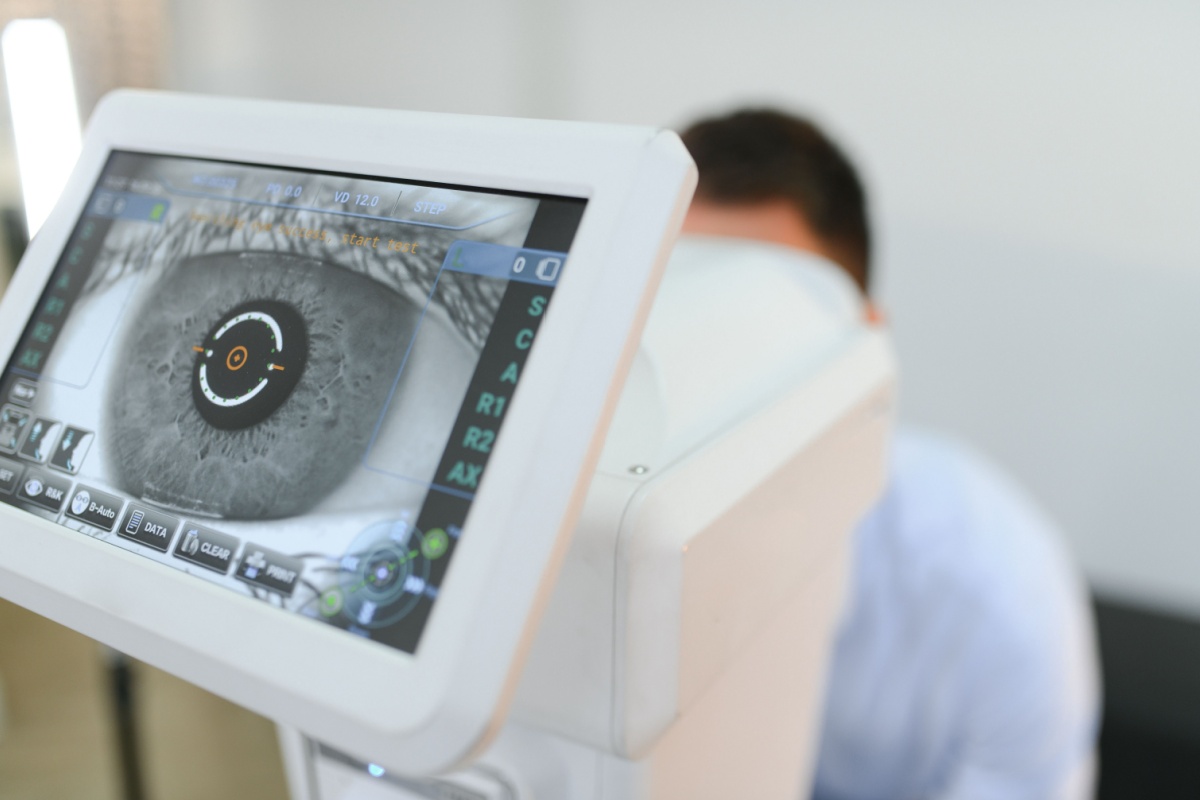
Advanced retinal imaging technology provides a detailed view of the back of your eye, often without requiring dilation. Tools like Optos retinal imaging capture a wide-angle image of your retina in seconds, revealing early signs of macular degeneration, diabetic changes, or retinal tears that might not be visible with older examination methods. When comparing eye exams, ask what imaging technology is used and whether it’s included in the exam fee or costs extra.
Understanding Different Business Models
Some optical retailers offer deeply discounted eye exams as a way to bring customers in for eyewear purchases. This isn’t inherently bad, but it’s worth understanding the difference. If eyewear sales are the primary business, the exam may be streamlined to focus mainly on updating your prescription. A practice focused on comprehensive eye care typically spends more time in appointments on health screenings, patient education, and addressing concerns beyond vision correction.
Appointment Length Matters
A comprehensive eye exam typically takes 45-60 minutes total, with different team members handling specific parts of your care. You’ll usually spend 20-30 minutes with a technician who performs preliminary testing such as measuring eye pressure, taking retinal images, testing peripheral vision, and gathering information about your health history and concerns. Then you’ll spend 15-20 minutes with the doctor, who reviews all the test results, examines your eyes, discusses findings, and answers your questions.
This team-based approach isn’t a shortcut—it’s actually more thorough. The technician’s testing provides detailed data that the doctor then interprets in the context of your overall eye health. Basic vision screenings, by contrast, might be completed in 15-20 minutes total because they’re focused primarily on updating your prescription without the comprehensive health screening component.
A thorough exam also includes time to discuss your specific concerns, whether that’s digital eye strain from work, finding the right contact lenses for your lifestyle, or addressing dry eye symptoms.
Understanding What’s Included
When booking any eye exam, ask for a breakdown of what’s included in the advertised price. Some important questions:
- Are retinal imaging and glaucoma testing included, or do they cost extra?
- Will I receive a complete health assessment of my eyes, or just a prescription update?
- Is there time built in to discuss my vision concerns and ask questions?
The goal isn’t to avoid lower-cost options altogether, it’s to understand exactly what you’re getting so you can decide if it meets your family’s needs.
Understanding Your Family’s Changing Vision Needs
Different stages of life require different approaches to eye care. Here’s what you should know about protecting vision across generations.
Why Children’s Eye Exams Are Different
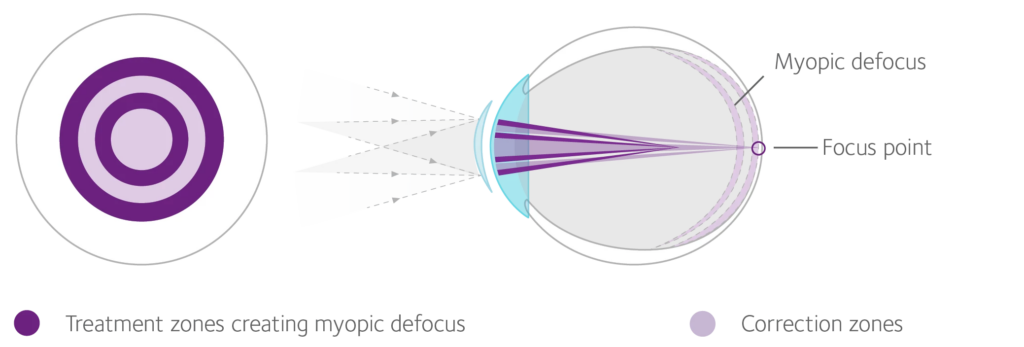
Myopia (nearsightedness) is becoming more common in children, and it’s progressing faster than in previous generations. This matters because high myopia increases the risk of serious eye conditions later in life, including retinal detachment and glaucoma. The good news: myopia management strategies can slow its progression by 60-67%, but best if started early.
Modern myopia control comes in two main forms: specialized eyeglasses and contact lenses. Eyeglass options like Stellest lenses by Essilor or Miyosmart lenses by Hoya use advanced technology to slow eye elongation while providing clear vision. These lenses have been clinically proven to slow myopia progression by up to 67% when worn at least 12 hours daily. Contact lens options include daily disposable lenses specifically designed for myopia control, such as Acuvue Abiliti and MiSight lenses, which are suitable even for children as young as 6-8 years old.
A basic vision screening that simply prescribes stronger glasses each year misses the opportunity for intervention. When choosing an eye care provider for your child, ask if they offer myopia management and what specific options are available – not all practices have access to the latest specialized lenses.
How Eye Health Risks Change With Age
After age 40, your risk for conditions like cataracts, glaucoma, and macular degeneration increases significantly. This is why exam frequency matters – annual comprehensive exams catch changes early when treatment is most effective. For example, glaucoma treatment can prevent further vision loss, but it can’t restore vision already lost. Regular monitoring creates a baseline for your eye health, making it easier to spot subtle changes over time.
When Dry Eyes Need More Than Drops
If you’re dealing with scratchy, red, or tired eyes – especially from screen use – over-the-counter artificial tears might provide temporary relief but won’t address the underlying cause. Chronic dry eye often stems from meibomian gland dysfunction, where the oil glands in your eyelids aren’t working properly, or from inflammation.
A comprehensive dry eye evaluation identifies the root cause, which allows for targeted treatments like Radio Frequency, intense pulsed light therapy (IPL), or prescription medications that actually resolve the problem rather than just masking symptoms.
Making an Informed Decision About Your Eye Care
Now that you understand what goes into a comprehensive eye exam, you’re equipped to evaluate any eye care provider you’re considering.
What Level of Care Do You Need?
Not everyone needs a comprehensive exam every time. If you’re young, healthy, have no family history of eye disease, and just need a prescription update, a basic vision screening might be appropriate. But if you have risk factors – diabetes, high myopia, family history of glaucoma or macular degeneration, or you’re over 40 – comprehensive care becomes essential.
The key is knowing what you’re getting. When you book an appointment, ask:
- What tests are included in the exam?
- How long will the appointment take?
- What technology do you use for retinal imaging?
- Is there time to discuss my specific concerns?
When Specialized Care Makes a Difference
Certain conditions benefit significantly from specialized evaluation and treatment. Myopia management for children can prevent high myopia and reduce lifelong risks. Chronic dry eye often requires targeted therapies like IPL or radiofrequency treatments to address the root cause. Complex prescriptions or specific lifestyle needs, like extensive computer work or sports, benefit from thorough consultations about lens options.
Taking the Next Step
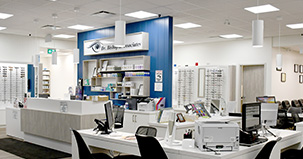
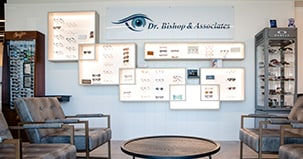
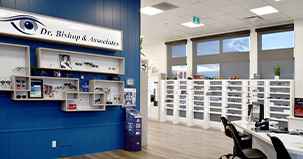
Your family’s vision needs are unique. Whether you’re looking for routine care, addressing specific concerns, or seeking specialized treatments, the team at Dr. Bishop & Associates offers comprehensive eye care in Calgary.
Schedule an exam to discuss your specific needs and find the right approach for your family’s eye health.