


Answers to Your Questions
When it comes to your vision and eye health, it’s normal to have questions. Our team at Dr. Bishop & Associates wants you to feel informed and confident in every part of your care.
Below, you’ll find answers to common questions about eye conditions, treatments, and services we provide at our Calgary locations. Each section covers a specific topic, so you can explore what’s most relevant to you or your family.
If you don’t see your question answered here, we’re happy to help directly.

Amblyopia FAQ
Amblyopia, often called “lazy eye,” is reduced vision in one or sometimes both eyes because the brain did not learn to use the eye normally during childhood. It is common, treatable, and time matters: earlier treatment usually works faster and more completely. The goal is to fix the cause (such as an uncorrected prescription or eye turn) and then train the brain to use the weaker eye.
Amblyopia is reduced vision that happens when the brain “downranks” input from one eye during early development.
- It is a brain–eye connection issue, not just an “eye strength” issue
- It commonly affects one eye, but can affect both
- The eye can look normal even when vision is reduced
When to book:
- If a child fails a vision screening
- If one eye seems weaker, wandering, or the child closes one eye to see
- If there is a strong glasses prescription difference between eyes
Most amblyopia develops when blurred or mismatched images reach the brain from the 2 eyes.
- Refractive amblyopia: caused by an uncorrected prescription (farsightedness, nearsightedness, astigmatism)
- Anisometropic amblyopia: one eye has a much stronger prescription than the other
- Strabismic amblyopia: an eye turn leads the brain to suppress one eye to avoid double vision
- Deprivation amblyopia (less common): something blocks vision early, such as a congenital cataract
When to book:
- Any new eye turn, constant squinting, head tilt, or a persistent “one-eye” preference
“Lazy eye” is a nickname, but your child is not being lazy.
It means the brain learned to rely on one eye more than the other. Treatment focuses on retraining the brain to use the weaker eye.
Amblyopia is one of the most common causes of reduced vision in children.
It is often discovered in preschool or early school years, and many children do not complain because the stronger eye compensates.
What are the signs parents might notice?
Some children show obvious signs, but many do not.
- One eye turns in, out, up, or down (constant or intermittent)
- Closing one eye in bright light or when focusing
- Head tilt or turn, sitting very close to screens, frequent squinting
- Poor depth perception, clumsiness, or trouble catching objects
When to book:
- Any consistent eye turn, head tilt, or “one-eye closes” pattern
Yes. Even when the eyes appear perfectly straight, amblyopia can develop if there is a significant prescription difference between them.
That is why screenings and full eye exams are so important.
Earlier is better, but treatment can still help older children and sometimes teens or adults, depending on the case.
- The visual system is most adaptable in early childhood
- Older patients may improve, but progress is usually slower and less predictable
When to book:
- As soon as amblyopia is suspected. It is best not to “wait and see” with vision development.
Amblyopia is diagnosed through a comprehensive eye exam that checks vision, alignment, and prescription.
- Age-appropriate vision testing
- Eye alignment and binocular vision assessment
- Prescription measurement (often with drops for accuracy in children)
- Eye health exam to rule out other causes
Often, yes. Glasses are usually the first step since correcting blur can significantly improve vision on its own.
Some children improve enough with glasses alone, while others need additional therapy.
When to book:
- If glasses are prescribed, follow-up exams are essential to track improvement.
Treatment starts by addressing the underlying cause, most often with glasses. A clear image gives the brain a fair chance to use both eyes effectively.
Follow-up visits help measure how much the weaker eye is catching up.
What is patching and how does it work?
Patching covers the stronger eye to encourage the brain to use the weaker one.
- Typically prescribed for specific hours per day
- Works best when combined with near activities such as reading, drawing, or puzzles
When to book:
- If patching is not improving vision after a reasonable trial, the treatment plan may need adjustment.
Atropine drops blur the stronger eye, usually for near vision, encouraging use of the weaker eye.
- Easier for some families than patching
- Possible side effects include light sensitivity and near blur in the treated eye
- Not suitable for every prescription pattern, so case selection matters
Sometimes, especially when amblyopia overlaps with focusing or binocular vision problems, or when suppression persists.
Vision therapy is not a replacement for glasses or treating an eye turn, but it can complement care in specific cases.
If strabismus causes amblyopia, both vision and alignment need treatment.
- Glasses may reduce or control the eye turn.
- Patching or atropine may still be needed for the weaker eye.
- Surgery may be considered to improve alignment, but it does not automatically correct amblyopia, so visual rehabilitation may still be needed.
How long does treatment take?
It varies by age, severity, and consistency.
- Mild cases can improve in a few months
- Moderate or severe cases may take longer and often need multiple phases (glasses, patching, or atropine, and maintenance)
What happens if we stop too early?
Vision can regress if treatment is stopped too soon. Maintenance and regular follow-ups help reduce this risk.
Some children need a gradual “taper” when reducing patching or drops.
Many children improve significantly, and some reach equal vision, but outcomes depend on timing and cause.
Consistency is the most controllable factor in success.
Most setbacks are fixable, and they usually involve:
- Glasses not worn full-time
- Inconsistent patching or incorrect application
- Missed follow-ups
- Untreated strabismus or deprivation causes
Routine helps. Predictable schedules make it easier for children to adjust.
- Patch during a consistent activity (tablet time, crafts, or homework)
- Use a timer or sticker chart for motivation
- Start with shorter, successful stretches
- Ensure the patch blocks vision completely and is safe for the skin
Usually no, but similar symptoms can indicate something more serious.
Seek urgent care immediately if you notice:
- Sudden vision loss or a “curtain” over vision
- New constant double vision
- Severe headache with eye pain
- A new eye turn with drooping, weakness, or imbalance
Usually no, but similar symptoms can indicate something more serious.
Seek urgent care immediately if you notice:
Sudden vision loss or a “curtain” over vision
New constant double vision
Severe headache with eye pain
A new eye turn with drooping, weakness, or imbalance
American Academy of Ophthalmology
National Eye Institute
Canadian Association of Optometrists
Cataracts FAQ
Cataracts are a common, gradual clouding of the eye’s natural lens that can make vision look blurry, hazy, washed out, or more glare-sensitive, especially at night. Most cataracts progress slowly over years, and many people do not realize how much their vision has changed until it starts affecting driving, reading, or daily comfort.
At Dr. Bishop & Associates, cataract assessments focus on how your symptoms match what we see on exam and whether your vision needs a simple glasses update, closer monitoring, or a referral for cataract surgery consideration.
A cataract is a clouding of the eye’s natural lens that reduces the quality of light reaching the retina.
- Usually age-related, but other factors can accelerate it
- Often develops in both eyes, though not always equally
- Affects the quality of vision, including glare, contrast, and clarity, not just sharpness on the chart
Early cataracts often cause glare and reduced contrast before major blur appears.
- More glare or halos from headlights at night
- Colours look duller or yellowed
- Needing more light to read
- Feeling that “my glasses aren’t working like they used to”
Related Reading: What Is the First Sign of Cataracts?
Yes. Glare and halos are classic cataract symptoms, especially while driving at night.
- Light scatter increases as the lens becomes less clear
- Wet roads and oncoming headlights can make visibility much worse
- Night-driving discomfort is one of the most common reasons people book exams
When to book:
- Night driving has become uncomfortable, or you avoid it
- You notice new halos, starbursts, or glare that did not exist before
Yes, but the blur is often hazy or film-like rather than a sharp blur.
- It can look like a dirty windshield that you cannot wipe clean
- Contrast sensitivity drops first, so letters fade into the background
- Symptoms vary depending on cataract type (nuclear, cortical, posterior subcapsular)
Cataracts reduce contrast and can increase light scatter.
- Small print looks faded or dull
- Bright lights may help for a while, then cause more glare
- A new glasses prescription might help temporarily, but not always
They can. Cataracts can distort light entering the eye and create “monocular” double vision or ghosting.
- Often worse in bright light or while reading
- Can mimic astigmatism changes
- Needs an exam to rule out other causes
Urgent signs: Sudden double vision with weakness or speech changes requires urgent medical care.
Yes. Some cataracts shift your prescription over time.
- Many people become temporarily more nearsighted, called “second sight.”
- Astigmatism can also change
- If your prescription keeps changing quickly, it is a good time to reassess your lens and overall eye health
Most cataracts develop from natural age-related changes in the lens proteins.
- Aging is the main driver
- UV exposure contributes over time
- Smoking increases risk
- Diabetes can accelerate progression
- Long-term steroid use is a known risk factor
- Eye injury or prior surgery can contribute
Some people develop symptomatic cataracts earlier.
- Diabetes
- Smoking history
- High UV exposure (for example, outdoor work without protection)
- Long-term corticosteroid use (pills, inhalers, or drops)
- Family history of cataracts
- Previous eye trauma
Cataracts cannot be completely prevented, but you can reduce risk and slow progression.
- Wear UV-blocking sunglasses and a brimmed hat outdoors
- Do not smoke
- Manage blood sugar if diabetic
- Review steroid use with your healthcare provider, but never stop medication without guidance
- Maintain regular eye exams to monitor lens changes
No. Cataracts cannot be dissolved with drops.
- Some drops can help other problems that mimic cataract symptoms, such as dry-eye-related glare or fluctuating blur
- The only definitive treatment for cataracts is surgical lens replacement when symptoms justify it
Usually not. Most cataracts are not visible to you in the mirror.
- The clouding occurs inside the eye, behind the pupil
- A “white pupil” is uncommon and should be assessed promptly
Diagnosis is straightforward and happens during a comprehensive eye exam.
- Vision testing, including glare and contrast symptoms
- Refraction to check your prescription
- Slit-lamp exam to grade the cataract
- Dilated retinal exam to rule out other causes of blur or glare
- Additional imaging or testing if needed
No. Surgery depends on your symptoms and how much they affect your daily activities, not on a specific measurement.
- Many cataracts are monitored for years
- Updated glasses may improve vision for a time
- Surgery is considered when daily life, driving, or safety are affected
When to book:
- You avoid driving at night.
- Glare limits work, hobbies, or reading.
- You cannot see well enough for daily tasks, even with new glasses.
Cataract surgery is recommended when the cataract meaningfully interferes with day-to-day function, and the eye is otherwise healthy enough to benefit from surgery.
- Your visual goals are important, whether you’re driving, reading, doing computer work, or playing sports.
- A referral is made when the symptoms match the exam findings, and you are ready to discuss options.
Expect planning tailored to your eyes and lifestyle goals:
- Confirm the cataract is the main cause of symptoms
- Take measurements to choose the intraocular lens (IOL)
- Discuss lens options and realistic outcomes
- Review risks, benefits, and post-operative expectations
Your IOL choice affects how much you depend on glasses after surgery:
- Monofocal: offers the best clarity and fewest visual side effects, but you may still need glasses for some tasks.
- Toric: corrects astigmatism, often paired with a monofocal design.
- Multifocal or Extended Depth of Focus (EDOF): can reduce glasses dependence but may increase halos or glare in some people.
Not everyone is a candidate for every IOL type, especially if there are dry-eye, retinal, or visual-demand factors.
Yes. Dry eye can mimic cataract symptoms such as glare or fluctuating blur, and the two often occur together.
- Treating dry eye can sharpen vision and improve surgical measurements
- If vision fluctuates significantly, dry-eye management is often the first step
Book an exam so we can confirm the cause of your symptoms and plan the next steps:
- Start Here: Glaucoma & Cataract Exams
- Or Request an Appointment
Useful background reads:
Cataracts usually progress slowly, but some symptoms are not caused by cataracts and should not be ignored.
- Sudden vision loss or a curtain or shadow in vision
- New flashes of light or a sudden shower of floaters
- Severe eye pain with redness and blurred vision
- Sudden major distortion or a dark spot in central vision
Dry Eye FAQ
Dry eye is a common condition where your eyes do not make enough quality tears, or the tears evaporate too quickly. It often causes burning, gritty discomfort, fluctuating vision, and sometimes watery eyes.
The good news is that most dry eye can be improved with the right diagnosis. It is not a one-size-fits-all problem. With a tailored plan, relief can come from simple daily habits, prescription eye drops, or in-clinic treatments such as heat-based therapies.
Dry eye often feels like burning, stinging, grittiness, or “tired eyes.” It can also make vision fluctuate.
- Scratchy or sandy sensation, redness, light sensitivity
- Stringy mucus or sticky eyelids in the morning
- Worse with screens, wind, heat vents, or dry indoor air
When to book:
- Symptoms occur most days for more than two weeks
- You are using drops daily, but still uncomfortable
- Your vision fluctuates, especially later in the day
Yes. Dry eye is one of the most common causes of intermittent blur, especially when reading or using screens.
- The tear film is the “first lens” of the eye. When it breaks up, vision becomes unstable
- Vision often clears briefly after blinking or using drops
- It can feel like your prescription has changed even when it has not
Related Reading: Can Dry Eyes Cause Blurry Vision?
Watery eyes can be a reflex response to dryness or irritation. The eyes produce “emergency tears” that do not lubricate well.
- Reflex tears are too watery and evaporate quickly
- Common in meibomian gland dysfunction (oil-layer issues)
- It can also be triggered by wind, smoke, allergies, or eyelid inflammation
When to book:
- Watering is paired with burning or grit, especially outdoors
- Watering occurs with fluctuating vision
- One eye waters much more than the other
Most dry eye results from a mix of tear evaporation and reduced tear production.
- Meibomian gland dysfunction (blocked oil glands) is very common
- Hormone changes, aging, autoimmune disease, and allergies can contribute
- Environmental factors include screen use, low humidity, wind, and smoke
- Some medications, such as antihistamines or antidepressants, can worsen dryness
They often overlap but are not the same.
Blepharitis is eyelid inflammation that commonly contributes to dry eye:
- Blepharitis disrupts oil gland function and tear stability
- Symptoms include crusting, redness, and irritation near the lashes
- Treating the lids is often the missing piece in “drop-only” treatment plans
MGD means the oil glands in the eyelids are not producing healthy oils, which makes tears evaporate too quickly.
- The oil layer prevents evaporation; without it, drops do not last long
- Symptoms are often worse in the morning or after long screen sessions
- Common triggers include rosacea, blepharitis, contact lenses, and age
Morning dryness often indicates eyelid inflammation, poor oil flow, or incomplete lid closure during sleep.
- Blepharitis and MGD can worsen after a night without blinking
- Some people sleep with their eyelids slightly open
- Dry bedroom air or furnace heat can also contribute
Related Reading: Reasons Why You Wake Up with Dry Eyes
Screen use reduces blink rate and increases incomplete blinks, which destabilizes the tear film.
- Fewer blinks mean faster tear evaporation
- Incomplete blinks prevent proper oil spread
- Symptoms worsen the longer you stay focused on a screen
What helps:
- “Blink resets” (slow, full blinks every few minutes)
- 20-20-20 rule: every 20 minutes, look 20 feet away for 20 seconds
- Keep the monitor slightly below eye level to reduce exposure
No. Different types of drops target different causes of dryness:
- Artificial tears: replace surface moisture (available in varying thicknesses)
- Lipid-based drops: support the oily tear layer and help with evaporation
- Avoid regular redness-relief drops, which are not designed for dry eye
Related Reading: The Best Eye Drops for Dry Eye
It depends on the drop type and the cause of your dryness.
- Preservative-free drops are safest for frequent use
- If you need drops more than about four times per day, you likely need more than just “more drops.”
- Overuse of preserved drops can irritate the eye surface
When to book:
- You are using drops several times a day, but still symptomatic
- You are unsure which drop is best for your condition
Yes. If your dryness is related to blocked oil glands, warm compresses can help melt thickened oils and improve tear stability.
- Consistency is more important than high heat
- Follow with a gentle lid massage if recommended
- Microwaveable eye masks tend to work better than a damp cloth
Lid hygiene helps clear debris and reduce inflammation that can block oil glands.
- Gentle lid cleaning reduces bacteria and irritation
- Helpful for blepharitis, MGD, and recurrent styes
- Should not sting or worsen redness when done correctly
Yes. Contact lenses can worsen evaporation and surface irritation, especially if dryness already exists.
- Lens material, fit, and wear time all play a role
- Daily disposable lenses often feel more comfortable than monthly types
- Sometimes the best fix is treating dry eye first, then refitting lenses
When to book:
- Burning or blurring increases late in the day with lenses
- You are wearing contacts for shorter periods due to discomfort
Yes. Itchiness is a classic allergy symptom, but allergies and dry eye often coexist.
- Allergies inflame the eye surface and destabilize tears
- Rubbing worsens both conditions
- Effective care often means treating both, not just one
They can help, particularly for inflammatory or MGD-related dry eye, but they are not a guaranteed fix.
- Benefits vary by individual and product quality
- They work best as part of a comprehensive plan, including lids, environment, and therapy
- Talk to your optometrist or pharmacist if you take blood thinners or have bleeding risks
Related Reading: Top Vitamins & Supplements for Dry Eye Relief
When home care is not enough, in-office treatments can improve oil gland function and reduce inflammation.
- Thermal expression or heat-based therapies for blocked glands
- Light-based treatments, such as IPL, for certain inflammatory cases
- Radiofrequency (RF) therapy for lid health in suitable candidates
Related internal reads:
Dry eye is often a long-term condition, but symptoms can be controlled with the right plan.
- Most people need maintenance rather than a one-time fix
- The goal is fewer flare-ups, better comfort, and more stable vision
- The right diagnosis, whether evaporative, aqueous-deficient, or mixed, determines treatment success
Some symptoms need urgent attention because they may signal infection, injury, or other eye disease.
Seek same-day eye care if you have:
- Sudden vision loss or a curtain or shadow over vision
- Severe eye pain or extreme light sensitivity
- One-sided redness with worsening pain
- Chemical exposure or metal-on-metal injury
- Contact lens wear with increasing pain or redness
A proper dry eye evaluation looks beyond surface irritation to assess tear quality, evaporation, and eyelid gland health.
- Tear breakup time and surface staining
- Eyelid margin and gland assessment
- Meibomian gland evaluation and oil quality
- A customized plan based on your specific pattern
If you want quick, practical deep dives, these are good starting points:
Authoritative external resources
Epiretinal Membrane FAQ
An epiretinal membrane (ERM) is a thin layer of scar-like tissue that can form on the surface of the retina, usually in the macula area. Many ERMs are mild and simply monitored over time.
Some can cause distortion, such as wavy lines, or blurred central vision and may need referral to a retina specialist. The key is confirming the diagnosis with retinal imaging, usually OCT, and tracking whether symptoms and vision are stable.
What is an epiretinal membrane (ERM)?
An ERM is a thin, semi-transparent film that grows on top of the macula, the part of the retina responsible for sharp central vision.
- Can gently wrinkle the macula and blur or distort vision
- Often develops slowly over months to years
- Sometimes called a macular pucker
When to book:
- New distortion, where straight lines look wavy
- New blurred central vision in one eye
- Reading becomes harder, or letters appear bent
Most people notice distortion or blur rather than pain.
- Wavy lines on blinds, door frames, tile grout, or text
- Smudged or hazy central vision
- Double vision in one eye is less common
When to book:
- If the distortion is new or worsening
- If reading speed drops noticeably
Most ERMs are related to normal aging changes in the gel inside the eye, called the vitreous, that tug on the retina.
- Common after a posterior vitreous detachment (PVD)
- Can form after inflammation, retinal tears, trauma, or eye surgery
- Many cases are idiopathic, with no clear trigger
No. ERM is a surface membrane that can wrinkle the macula. Macular degeneration is a disease of the macular tissue itself.
- ERM: mechanical wrinkling or tugging effect
- Macular degeneration: degenerative changes, often with drusen or fluid/bleeding in wet AMD
Usually not. ERM can reduce clarity and cause distortion, but complete blindness from ERM alone is uncommon.
- Many people maintain useful vision, especially with mild ERM
- The main issue is the quality of central vision, affecting reading or detail tasks
When to book:
- If vision drops quickly over days to weeks rather than gradually
Most ERMs do not disappear fully, but symptoms can remain stable for long periods.
- Mild membranes may stay unchanged
- Occasionally, symptoms improve if traction changes
- The membrane itself usually persists
Diagnosis involves an eye exam and retinal imaging, particularly OCT (optical coherence tomography).
- Dilated retinal exam to assess the macula
- OCT shows the membrane and whether the macula is distorted or swollen
- Photos may be used to track changes over time
OCT is a non-contact scan that provides a cross-sectional view of the retina.
- Confirms ERM versus other macular problems
- Tracks macular thickening, traction, and subtle swelling
- Helps guide decision-making between observation and referral for surgery
Blur and distortion are the main symptoms.
- Wavy lines (metamorphopsia)
- Blurry central vision
- Difficulty reading fine print
- Sometimes, a gray spot or reduced central contrast
ERM itself usually does not cause flashes or floaters. The vitreous changes that lead to ERM can.
- Flashes or floaters often relate to vitreous traction or PVD
- New flashes or floaters should be assessed to rule out a retinal tear
Urgent signs (same day):
- Sudden shower of new floaters
- New flashes of light
- Curtain or shadow in side vision
No. ERM is almost always painless.
- Pain suggests a different problem, such as inflammation, pressure issues, or corneal problems
- Significant pain with vision change requires urgent assessment
Risk increases with age and certain eye history factors.
- Age 50+, risk rises with each decade
- Prior retinal tear or detachment
- Eye inflammation (uveitis)
- Diabetes or retinal vascular conditions
- Prior eye surgery, including cataract surgery
It can be. Diabetes increases inflammatory and vascular stress in the retina, which may increase the risk of membranes.
- ERM can occur with or without diabetic retinopathy
- Diabetic macular edema can mimic or worsen blurred vision, so imaging is important
Not always. Surgery is usually considered when symptoms affect daily life or vision is declining.
- Many people are managed with observation and OCT monitoring
- Surgery is considered if distortion is bothersome, vision is dropping, or macular traction increases
When to book:
- Reading becomes significantly harder, even with glasses
- Distortion affects work, driving, or daily activities
The standard procedure is a vitrectomy with membrane peel, performed by a retina surgeon.
- Vitreous gel is removed, and the membrane is carefully peeled from the macula
- Usually outpatient
- Visual recovery occurs gradually over weeks to months
Results vary, but many people experience less distortion and clearer vision.
- Earlier surgery, when appropriate, can improve outcomes
- Some distortion may remain if the retina has been wrinkled for a long time
- Recovery is gradual, not instant
Like any eye surgery, there are risks.
- Cataract progression (common if the natural lens remains)
- Infection (rare but serious)
- Retinal tear or detachment
- Bleeding or swelling
- Vision may not improve as much as expected
No. Glasses can optimize the focus you have, but cannot remove retinal distortion.
- Drops do not remove the membrane
- Treating coexisting dry eye or cataracts may improve overall clarity
Monitoring depends on symptoms and OCT findings.
- Mild or stable ERM: periodic monitoring, often every 6 to 12 months
- Symptomatic or changing ERM: closer follow-up may be needed
When to book sooner:
- Distortion worsens
- Central vision changes
- New blind spots appear
What can I do at home to monitor changes?
Simple checks can help track your vision:
- Test one eye at a time
- Use a door frame, window blinds, or an Amsler grid
- Track whether lines become wavier or a blank spot appears
Urgent signs (same day):
- Sudden central vision loss
- New large blank or gray spot
- Curtain or shadow in vision
When should I seek urgent care?
Do not wait if vision changes suddenly or severely:
- Sudden vision loss
- Curtain or shadow in peripheral vision
- New flashes or a burst of floaters
- Rapid, dramatic increase in distortion
Eye Exams FAQ
An eye exam is more than reading letters on a chart. At Dr. Bishop & Associates, most patients start with a structured technician-led session including medical history, vision, and eye-function testing, and imaging.
The doctor then reviews the results, confirms your prescription if needed, and performs a thorough health assessment of the front and back of your eyes. Depending on findings or symptoms, targeted tests like OCT scans, visual fields, corneal topography, or dry eye assessments may be added.
You start with a technician-led pre-test session, then see the doctor.
- Check-in and overview of why you are here (routine, new symptoms, prescription update, contacts, etc.)
- Technician testing: history, vision, eye coordination, imaging
- Doctor exam: review results, refine vision, check eye health, explain plan
When to book:
- New glasses or contact lens issues
- New symptoms such as blur, headaches, irritation, flashes, or floaters
- Diabetes, high blood pressure, or a family history of eye disease
Collecting good data up front makes the doctor visit faster, more accurate, and more thorough.
- Standardizes testing so nothing important is missed
- Captures baseline measurements for year-to-year comparison
- Frees the doctor to focus on diagnosis and treatment planning
Questions cover anything that may affect your eyes, vision, or safety with drops or contact lenses.
- General health conditions such as diabetes, hypertension, or autoimmune disease
- Medications and allergies
- Eye history, including previous surgeries, injuries, eye disease, and contact lens use
- Symptoms you are noticing, such as dryness, glare, headaches, or double vision
- Family history of glaucoma, macular degeneration, or retinal issues
This is the part that checks how clearly you see at a distance and near.
- Distance and near acuity with and without correction
- Comparison to your current glasses or contacts
- Helps determine whether blur is optical (prescription) or medical (eye health)
When to book:
- Glasses are not working like they used to
- Squinting, headaches, or difficulty with night driving
Refraction finds the clearest and most comfortable lens power for each eye.
- You compare lens choices (for example, “1 or 2?”)
- Goal is clarity and comfort, not just the sharpest letters
- The doctor may adjust for work or computer needs
Yes, eye alignment and coordination affect comfort, focus, and fatigue.
- Eye motility: how smoothly the eyes move
- Alignment: how well the eyes point together
- Convergence and focus stamina, often relevant for screens or reading
When to book:
- Headaches with reading or screen time
- Intermittent double vision
- Words moving or losing place when reading
Checks how well your eyes combine information to judge distance.
- Important for driving, sports, and work tasks
- Can be affected by prescription changes, eye turns, or reduced vision in one eye
Screens for colour vision deficiencies and can indicate optic nerve or retinal issues.
- Most colour deficiencies are inherited and stable
- Sudden colour changes may be a medical clue
We screen during pre-testing and may do a full visual field test if needed.
- Peripheral vision is important for driving and glaucoma screening
- Full visual field testing may be recommended based on risk factors or findings
Assesses how the brain and eyes interpret visual information.
- May include speed and accuracy tasks, tracking, or functional screening tools
- Useful if symptoms do not match a simple prescription issue
Retinal photos document eye health and track changes over time.
- Creates a baseline for future comparison
- Detects and monitors diabetes, macular issues, optic nerve changes, and more
- Allows the doctor to show you what they are seeing
Sometimes. Dilation depends on history, symptoms, risk factors, and imaging findings.
- Provides a wider view of the retina and optic nerve
- Temporary blur and light sensitivity can last a few hours
- Bring sunglasses if driving afterward
Yes. Eye pressure is one risk factor for glaucoma, but not the only one.
- Pressure can be normal in glaucoma and high without glaucoma
- We combine pressure measurements with optic nerve evaluation and, when needed, OCT or visual fields
If findings are borderline or suspicious, targeted tests help clarify.
Common add-ons:
- OCT: detailed scan of retina and optic nerve layers
- Visual field testing: measures functional peripheral vision
- Corneal topography: maps corneal shape for astigmatism, keratoconus, or contact lens planning
- Dry eye testing: tear stability and gland assessment
OCT is a high-resolution scan of the retina and optic nerve.
- Detects and monitors subtle changes for glaucoma, macular disease, or diabetes
- Helps establish a baseline and track trends over time
Measures functional peripheral vision in a precise way.
- Common for glaucoma and neurological assessments
- Detects changes not visible on the vision chart
Maps the cornea’s shape.
- Evaluates irregular astigmatism, keratoconus risk, and complex contact lens fits
- Useful when vision does not match basic prescription results
If symptoms suggest dry eye, we test tear stability and oil gland function
- Meibography images the meibomian (oil) glands
- NIBUT measures tear film break-up without dye
- Other tests may be used based on symptoms
Routine exams are thorough and often longer than expected.
- Technician pre-testing, doctor exam, counselling, and recommendations
- Extra tests add time
Tips:
- Bring glasses and contact lenses
- Bring a list of medications
- If dilated, plan for temporary light sensitivity
Seek same-day care if you have:
- Sudden vision loss or curtain/shadow in vision
- New flashes of light or a sudden shower of floaters
- Significant eye pain, severe light sensitivity, or nausea with eye pain
- Chemical exposure to the eye
- Eye injury
- Red eye with reduced vision, especially with contact lens wear
Glaucoma FAQ
Glaucoma is a group of eye diseases that damage the optic nerve, the cable that carries vision to the brain. It often progresses slowly and can reduce vision without obvious early symptoms, which is why regular screening and monitoring are important.
When caught early, glaucoma is usually manageable, and most people keep functional vision for life with consistent treatment and follow-up.
Glaucoma is optic nerve damage, usually linked to eye pressure, but not always. Damage is permanent, but progression can often be slowed or stopped.
- Often affects peripheral (side) vision first
- Damage is not reversible, but treatment can protect remaining vision
- Some types progress slowly, others can be sudden and urgent
Different types behave differently and need different treatment approaches.
- Open-angle glaucoma: slow, common, often symptom-free early
- Angle-closure glaucoma: can be sudden, painful, and urgent
- Normal-tension glaucoma: optic nerve damage occurs despite “normal” pressure
- Secondary glaucoma: caused by another condition, such as steroids, trauma, inflammation, pigment, or pseudoexfoliation
Ocular hypertension means higher-than-average eye pressure without proven optic nerve damage. Glaucoma means there is optic nerve damage or consistent evidence of progression.
- Ocular hypertension increases the risk of glaucoma
- Not everyone with ocular hypertension needs treatment
- Risk depends on corneal thickness, nerve appearance, family history, age, and test results
Most glaucoma is multi-factorial. Eye pressure is a major risk factor, but genetics, blood flow, and nerve vulnerability also contribute.
- Eye pressure can damage the optic nerve over time
- Reduced optic nerve blood flow may contribute
- Family history and genetics strongly influence risk
Early open-angle glaucoma usually has no symptoms.
- Early: no pain, redness, or blur
- Later: patchy side-vision loss, trouble in dim light, bumping into objects
- Angle-closure: sudden pain, halos, nausea (urgent)
No. Damage is permanent. Treatment focuses on preventing further vision loss.
- Goal: reduce progression by lowering eye pressure and protecting the optic nerve
- Many people remain stable for years with consistent care
Risk increases with age, family history, and certain medical or eye factors:
- Family history of glaucoma
- Higher eye pressure
- African, Caribbean, Hispanic, or Asian ancestry (risk varies)
- Thin corneas, high myopia, diabetes, sleep apnea, migraines/vascular issues
- Long-term steroid use
Optic nerve damage occurs even when pressures are in the normal range.
- The optic nerve is more vulnerable
- Often requires lower target pressures
- Careful monitoring with OCT and visual fields is key
Glaucoma testing involves multiple measurements, not just eye pressure.
- Eye pressure (tonometry)
- Optic nerve exam and photos
- OCT imaging of optic nerve fibers
- Visual field testing (peripheral vision function)
- Corneal thickness (pachymetry) and angle assessment (gonioscopy)
For more information:
Corneal thickness affects pressure readings and helps refine risk.
- Thin corneas can underestimate pressure and increase risk
- Thick corneas can overestimate pressure
- Part of a complete risk assessment
Measures how well you detect light in different parts of vision, especially the periphery.
- Detects subtle changes early
- Trends over multiple tests are more important than a single reading
- Accuracy depends on attention, fatigue, and familiarity with the test
OCT measures the thickness of the optic nerve fiber layers and the optic nerve structure.
- Detects early structural changes before symptoms
- Great for baseline and tracking progression
- Best results when combined with visual field testing
Depends on risk and stability:
- Low-risk, stable: every 6–12 months
- Higher-risk or changing: every 2–6 months
- New diagnosis: closer monitoring to establish baseline
If you haven’t had an eye exam recently, start here: Adult & Senior Eye Exams
Treatment usually starts by lowering eye pressure:
- Prescription eye drops (often first-line)
- Laser (e.g., SLT) in appropriate cases
- Surgery (MIGS or other procedures) if needed
- Lifestyle supports overall eye health but does not replace treatment
Yes, but most people tolerate them well once the right medication is found.
- Redness, stinging, dryness, and allergy
- Darkening of iris/eyelid skin or lash growth (some drops)
- Possible effects on heart rate or breathing (some beta-blocker drops)
Always report side effects so the regimen can be adjusted.
One missed dose is usually not critical, but repeated misses increase risk:
- Take when remembered unless near next dose
- Do not double-dose unless instructed
- Ask about simplified regimens if adherence is difficult
They support general eye and vascular health but do not treat glaucoma.
- Regular exercise (avoid extreme head-down positions if advised)
- Avoid smoking; manage blood pressure, diabetes, and sleep apnea
- Moderate caffeine if concerned about transient pressure spikes
No. Many patients never need surgery.
- Considered if drops and laser are insufficient or the disease progresses
- Some combined cataract and glaucoma procedures are available
Cataracts can occur with glaucoma.
- Cataract surgery may modestly reduce pressure
- Some combined procedures treat both conditions
- Treatment plans are individualized
Earlier assessment helps protect vision.
When to book:
- Family history of glaucoma
- High eye pressure or a suspicious optic nerve
- Borderline OCT or visual field findings
- Long-term steroid use
- Due for routine screening (especially age 40+)
Angle-closure glaucoma can be an emergency. Seek urgent care if you have:
- Sudden severe eye pain with redness
- Halos around lights with nausea or vomiting
- Sudden major blur or vision loss
- Severe headache with eye pain
- One pupil is larger or not reacting normally

Keratoconus FAQ
Keratoconus is a condition where the cornea (the clear front window of the eye) gradually thins and bulges into a cone shape. This causes irregular astigmatism and blurred or distorted vision. Most people do very well with modern monitoring and the right vision correction.
At Dr. Bishop & Associates, we fit specialty contact lenses including scleral lenses, and we co-manage care with ophthalmology when medical or surgical treatment is needed.
Keratoconus is a progressive corneal thinning disorder that causes the cornea to bulge and become irregular.
- Glasses often stop giving crisp vision over time
- Usually affects both eyes, often unevenly
- Commonly starts in the teen years or early adulthood and can progress over several years
Early keratoconus often appears as “my prescription keeps changing.”
- Increasing or fluctuating astigmatism
- Blurry vision that glasses cannot fully correct
- Ghosting or double images in one eye
- Halos or starbursts around lights, worse at night
When to book:
- Prescriptions are changing faster than usual
- Vision is becoming distorted
- Told you have “irregular astigmatism.”
It’s usually a combination of genetics and biomechanics.
- Family history increases risk
- Eye rubbing is strongly associated with worsening, especially with allergies
- Linked with atopy (eczema, asthma, allergies)
It can run in families, but not always.
- Having a relative with keratoconus raises your odds
- Many patients have no known family history
When to book:
- If a parent or sibling has keratoconus, consider screening teens/young adults
Yes. Repeated rubbing can accelerate thinning and shape change.
- Treating allergies and dry eye reduces the urge to rub
When to book:
- If allergies cause frequent rubbing, get a management plan
Diagnosis is based on corneal shape and thickness mapping.
- Corneal topography/tomography maps the surface and detects early irregularity
- Monitoring for measurable progression over time is key
It’s a detailed map of your cornea, like a contour map for vision:
- Detects keratoconus earlier than a standard glasses exam
- Guides contact lens fitting and monitors progression
There is no cure, but there are effective ways to stabilize and correct vision:
- Vision correction includes glasses or contacts, often specialty lenses
- Stabilization can be done with corneal cross-linking (CXL) in appropriate cases
- Advanced cases may require surgical options, which are less common than people think
Keratoconus causes irregular astigmatism that glasses can’t fully correct.
- Regular astigmatism: corrects well with glasses or soft lenses
- Irregular astigmatism: often requires specialty lenses for best vision
Sometimes, mainly early on.
- Glasses may work in mild cases or early stages
- As irregularity increases, glasses often cannot fully sharpen vision
When to book:
- If glasses are not giving clear vision despite good numbers on the chart
Sometimes, but they are often not enough.
- Soft toric lenses may help with mild keratoconus
- Many patients need specialty designs as the cornea becomes more irregular
Scleral lenses are large, rigid gas-permeable lenses that vault over the cornea and rest on the white of the eye (sclera).
- They create a smooth optical surface for clearer vision
- The fluid reservoir can improve comfort in dry or irregular corneas
- They are a common “game-changer” for keratoconus vision
We fit specialty lenses: Contact Lens Exams & Fittings
Yes, we fit scleral contact lenses and other specialty designs for keratoconus.
- Fit is customized to your eye shape and your vision goals
- Expect more than one visit; fine-tuning is normal
- We train you on insertion, removal, and care
When to book:
- If you have been told contacts won’t work or your vision is still poor with glasses
For most people, yes, often more comfortable than smaller rigid lenses.
- Because they rest on the sclera, which is less sensitive than the cornea, comfort is usually good
- Comfort can depend on fit, dry eye, allergies, and wearing habits
There are several, depending on shape and severity:
- Corneal GP lenses (smaller rigid lenses)
- Hybrid lenses (rigid center + soft skirt)
- Custom soft keratoconus lenses
- Piggyback systems (soft lens under GP)
It is a process, not a one-and-done visit.
- Initial assessment and measurements
- Trial fitting when appropriate, and lens ordering
- Follow-ups to optimize vision, comfort, and eye health
When to book:
- If you need the best possible vision for driving, work, or night vision
It can, especially when your vision is fluctuating or under-corrected.
- Irregular optics can increase visual effort
- Night driving strain is common
CXL is a procedure intended to stop or slow progression by strengthening corneal collagen.
- It is most helpful when keratoconus is actively progressing
- It does not guarantee perfect vision, but it can reduce the need for more invasive options later
- Many patients still need glasses or contacts afterward
Progression is usually confirmed by measurable change over time.
- Increasing corneal steepness or irregularity on maps
- Thinning trends
- Worsening best-corrected vision or rising astigmatism
When to book:
- If you are a teen or young adult with keratoconus, monitoring intervals matter
True blindness is uncommon, but vision can become very distorted without proper management.
- With monitoring and appropriate correction or treatment, outcomes are usually very good
- The main risk is unrecognized progression
Yes, in more advanced cases.
- Scarring can reduce vision and contact lens performance
- Early stabilization and avoiding eye rubbing reduce the risk
Surgery is typically reserved for cases where lenses and stabilization are not enough.
- Intracorneal ring segments in select cases
- Corneal transplant is less common now with modern CXL and scleral lenses
Avoid things that increase progression risk or destabilize the surface.
- Eye rubbing
- Untreated allergies or dry eye
- Skipping monitoring visits when progression risk is high
Book if you have changing prescriptions, distorted vision, or are considering specialty lenses.
- You have been told you have irregular astigmatism or keratoconus
- Your glasses are not crisp anymore
- You want a scleral lens consult
- You are due for monitoring or topography
What symptoms are urgent?
Seek same-day urgent care if you have any of the following:
- Sudden, significant drop in vision
- Severe eye pain or intense light sensitivity
- A sudden white or grey haze, or abrupt clouding
- Red eye with pain, especially if you wear contact lenses
Macular Degeneration FAQ
Age-related macular degeneration (AMD) is a common condition that damages the macula (the part of the retina responsible for sharp central vision). It can make reading, driving, recognizing faces, and seeing fine detail harder, usually without affecting side (peripheral) vision early on.
The good news: early detection and the right monitoring can slow progression, and wet AMD can often be treated effectively if caught quickly.
AMD is a disease that slowly damages the macula, causing blurry or distorted central vision.
- Most common after age 50 to 60
- Peripheral vision is often preserved, especially early
- Symptoms can be mild at first, so exams matter
When to book:
- You are over 50 and haven’t had a dilated eye exam recently
- You notice a new blur, distortion, or a missing spot in central vision
- You have a strong family history of AMD
Dry AMD is more common and usually progresses slowly; wet AMD is less common but can cause faster vision loss.
- Dry AMD: thinning or aging changes of the macula and drusen
- Wet AMD: abnormal leaky blood vessels under the retina
- Dry can convert into wet, which is why monitoring matters
When to book:
- You have been told you have drusen or early AMD
- Any new distortion or rapid change in vision
Urgent signs (same day):
- Sudden new distortion (wavy lines), sudden central blur, or a dark or blank spot
Early AMD often has no symptoms, but common first complaints include central blur or distortion.
- Straight lines look bent or wavy
- Reading becomes harder, letters look faded or missing
- A gray or dark spot appears in the center
- Colors may look less vivid
When to book:
- Any new central blur, distortion, or missing spot (do not wait and see)
Wavy lines usually mean the macula is not lying flat, often from swelling or bleeding seen in wet AMD.
- The brain interprets the warped macula as a distortion
- Tools like the Amsler grid can help detect changes
When to book:
- Distortion is new, worsening, or only in one eye
Urgent signs (same day):
- New wavy lines or a rapidly expanding dark or blank spot
AMD can cause severe loss of central vision, but it usually does not cause complete blindness because side vision often remains.
- Many people keep useful peripheral vision for navigation
- The main impact is reading, driving, or seeing fine detail
When to book:
- You are struggling with daily tasks due to central blur or distortion. There are support options
AMD is caused by a mix of aging, genetics, and lifestyle factors that affect the retina over time.
- Age is the biggest risk factor
- Genetics or family history increases risk
- Smoking is a major modifiable risk factor
When to book:
- You have risk factors (age 50+, smoker or ex-smoker, strong family history)
Genetics plays a role, so AMD often runs in families, but it is not purely genetic.
- Family history increases risk
- Lifestyle, especially smoking, can meaningfully change risk
When to book:
- A parent or sibling has AMD, and you are 50 or older
You cannot fully prevent AMD, but you can reduce risk and slow progression with smart habits.
- Do not smoke or quit smoking
- Control blood pressure and cholesterol
- Eat a diet rich in leafy greens and fish
- Wear UV protection outdoors
When to book:
- You want a baseline retinal or macula assessment and a personalized risk plan
AMD is diagnosed with a dilated retinal exam and often imaging to assess the macula.
- Dilated exam to look for drusen or changes
- OCT imaging to detect swelling or fluid
- Sometimes, retinal photos or angiography are used if wet AMD is suspected
When to book:
- You have never had a dilated exam after age 50
- Any new distortion or central blur
It depends on your stage and risk; some people need annual checks, others need closer follow-up.
- Early or low-risk: often yearly
- Intermediate AMD: commonly more frequent
- Wet AMD: often close monitoring with a retina specialist plan
When to book:
- If you were told “drusen” or “early AMD” and do not have a clear monitoring schedule
An Amsler grid is a simple daily or weekly at-home check to detect new distortion, especially helpful if you already have AMD.
- Wear your reading glasses if you use them
- Hold the grid at normal reading distance
- Cover one eye and look at the center dot
- Notice if any lines look wavy, blurred, or missing
- Repeat with the other eye
When to book:
- Any new change on the grid, even if it seems small
Urgent signs (same day):
- Sudden new distortion or a new dark or blank central spot
Wet AMD is commonly treated with anti-VEGF injections into the eye to stop leaky vessel growth and preserve vision.
- Goal: stabilize vision and prevent further loss
- Some patients improve their vision, especially with early treatment
- Treatment is usually ongoing on a schedule set by the treating specialist
When to book:
- New distortion, rapid central blur, or a new central spot
Urgent signs (same day):
- Sudden central vision loss or rapidly worsening distortion
Most people tolerate injections well because the eye is numbed first; frequency varies by response and medication.
- Numbing drops are used
- Early on, injections may be monthly, then adjusted (often “treat and extend”)
- Your specialist will monitor OCT changes to guide timing
When to book:
- If you are anxious about treatment, there are ways to make it easier and more comfortable
Dry AMD does not have a single cure treatment yet, but progression can often be slowed and function supported.
- Risk reduction, including smoking cessation and cardiovascular health
- AREDS2 supplements for the right stage
- Monitoring for conversion to wet AMD, which can be treated
When to book:
- You were told you have dry AMD, but do not know your stage or plan
It means abnormal blood vessels started growing and leaking, which can cause faster vision changes, but it is also the point where treatment can help most.
- New distortion often signals conversion
- Prompt treatment is key to better outcomes
When to book:
- Any new distortion, central blur, or missing spot
Urgent signs (same day):
- Sudden noticeable change in central vision
Many people can continue driving and reading for years, depending on the severity, but you may need support:
- Updated glasses and lighting can help early
- Magnifiers, electronic readers, and contrast tools can help later
- Low vision strategies can preserve independence
When to book:
- You are struggling with reading, night driving, or detail tasks, do not just power through it
Any sudden central vision change is urgent because it may indicate wet AMD or other retinal problems.
- New wavy lines or distortion
- Sudden central blur or smudge
- New dark or blank spot in the center
Urgent signs (same day):
- Sudden vision loss, a curtain or shadow, new flashes or floaters with vision drop
Myopia Management FAQ
Myopia management is about slowing down a child’s nearsightedness progression, not just making vision clear today.
In Canada, the main evidence-based options include myopia-control glasses, specialty contact lenses, and low-dose atropine drops, plus lifestyle changes that reduce risk. The best plan depends on age, starting prescription, how fast things are changing, and what your child will actually wear consistently.
Most Canadian myopia-management plans use one or sometimes a combination of these:
- Myopia-control spectacles (special lens designs)
- Soft myopia-control contact lenses (often dual-focus or multifocal designs)
- Orthokeratology (Ortho-K), overnight rigid lenses that reshape the cornea
- Low-dose atropine eye drops (usually compounded)
- Lifestyle: outdoor time plus managing near work and screen habits
When to book:
- If your child’s prescription is changing year-to-year
- If there is a strong family history of higher myopia
- If your child is squinting, sitting very close, or struggling at school
Yes. Regular glasses correct blur, but myopia-control lenses add an optical design intended to reduce the stimulus for eye elongation, the main driver of progressive myopia.
- They look like normal glasses
- They are a strong option for kids who will not tolerate contacts
- Consistent wear matters (hours per day)
Essilor Stellest is a myopia-control spectacle lens designed to slow progression using H.A.L.T. (Highly Aspherical Lenslet Target) technology.
- Built into the lens design, not a coating
- Worn like everyday glasses
- Intended for children with progressive myopia
They aim to keep central vision sharp while creating a controlled myopic defocus pattern in the periphery that may reduce the signal for the eye to keep growing longer.
- Central zone: clear vision
- Lenslet pattern: therapeutic optical signal
- The goal is slowing progression, not reversing myopia
Clinical data shared by the manufacturer reports an average slowing of myopia progression compared with single-vision lenses, with better results tied to consistent daily wear.
- Real-world results vary by child and by baseline progression speed
- We track both prescription change and, ideally, axial length over time
Stellest is often a good fit when:
- Your child needs glasses full-time anyway
- Contact lenses are not a good match due to age, comfort, or hygiene
- There is documented progression or strong risk factors
When to book:
- If your child’s prescription has increased notably over the last 6 to 12 months
- If you want to start before myopia becomes fast progressing
Often yes. Many myopia-control spectacle lenses can be made with astigmatism correction, but eligibility depends on prescription range and fitting requirements.
- We confirm Rx suitability and frame fit
- Accurate centration and proper fit matter for performance
The key is consistent wear for most waking hours.
- Think school, homework, and after school, not just for the classroom
- If wear time is inconsistent, results usually drop off
Usually mild, if any.
- Some kids notice a brief adaptation period, like any new lens design
- Frame fit and correct measurements help reduce adaptation issues
- If symptoms persist, we re-check the fit and lens parameters
Canada has multiple myopia-control spectacle lens designs. Availability depends on your optical supplier and prescription range.
- Your optometrist can compare options based on your child’s Rx and lifestyle
- The best lens is often the one your child will actually wear consistently
These are daily-wear soft lenses designed to slow myopia progression. Some are dual-focus or multifocal-style designs.
- Good for sports and active kids
- Requires responsible hygiene and handling
- Not every child is ready; maturity matters
Ortho-k is available in Canada. Ortho-k uses rigid contact lenses worn overnight to correct vision for daytime and can also slow progression.
- Great for daytime freedom from glasses
- Needs excellent hygiene and regular follow-up
- Higher risk if worn improperly; care matters
Low-dose atropine is an eye drop used to slow myopia progression; in many Canadian settings, it is compounded.
- Dose selection varies, and it is not one-size-fits-all
- Possible side effects include light sensitivity or near blur, dose-dependent
- Needs prescribing and monitoring by an eye-care provider
There is no universal winner. The best option is the one that matches:
- Your child’s progression rate and risk profile
- Your child’s willingness to wear it consistently
- Your family’s tolerance for contact lens responsibility and follow-ups
Sometimes yes, but combination plans should be intentional, not random.
- A combination may be considered in faster progressors
- Evidence varies by combination and dosing strategy
- We monitor closely to confirm it is worth the added complexity
Lifestyle does not replace treatment for many kids, but it can help reduce risk and support outcomes.
- More outdoor time
- Breaks during near work, especially long screen sessions
- Good working distance and lighting
We track trends over time, not just one visit.
- Prescription change (refraction)
- Eye health and binocular vision
- Ideally, axial length if available, since that is a key driver of long-term risk
When to book:
- If your child has started a myopia-control treatment and needs scheduled follow-ups, often every 3 to 6 months, early on
Your child will still see clearly, but progression may continue unchecked, increasing the chance of higher myopia later.
- Higher myopia is associated with a higher lifetime risk of certain eye diseases
- Myopia management is about reducing that long-term risk by slowing progression
Usually no. They typically slow progression. Some kids respond strongly, others respond modestly.
- The earlier you start when appropriate, the more runway you may have to reduce total progression
- Consistency is a huge variable
Myopia management itself is not usually urgent, but seek same-day care if your child has:
- Eye pain, significant redness, or light sensitivity, especially if wearing contact lenses
- Sudden drop in vision
- New flashes of light, a sudden shower of floaters, or a curtain in vision
Book a myopia-management assessment so we can choose an option your child will actually use.
- We review risk factors, past prescription changes, and lifestyle
- We match treatment to your child’s needs, including options like Stellest
- We set a follow-up schedule and measurable targets
Helpful links (Dr. Bishop & Associates):
Prescription Glasses FAQ
Prescription glasses should feel clear, comfortable, and consistent at distance, near, and, for many adults, in-between. The right glasses are not just your prescription; they also include lens design (single-vision vs. progressive, etc.), lens material, measurements taken on your face, and the coatings you choose.
This FAQ breaks down the most common lens types: single vision, bifocal, progressive, office, and task lenses, plus the real-world difference between traditional lenses and digital/wavefront (freeform) lenses.
It is a set of numbers that tells us how to focus light properly on your retina for clear vision.
- Sphere (SPH): nearsightedness (-) or farsightedness (+)
- Cylinder (CYL) + Axis: astigmatism and its orientation
- ADD: extra near power for reading (common after ~40)
- Prism: used when eyes do not align comfortably together (selected cases)
Your best results depend on both the prescription and how lenses are designed and measured on you
If your vision is consistently less clear or you are straining, your prescription may have shifted, or the lenses may no longer match your needs.
- Blurry distance or near that does not blink away
- Headaches or eye strain, especially late in the day
- More squinting, light sensitivity, or fatigue while reading
- New trouble driving at night (glare/halos)
When to book:
- Symptoms last more than 1 to 2 weeks
- You feel unsafe driving or reading
- Your current glasses are more than 2 years old (or sooner if symptoms)
Urgent signs:
- Sudden vision loss, new flashes/floaters, a curtain or shadow, severe eye pain, or a red painful eye
Emergency eye care
There are different ways of delivering distance and near focus in one pair of glasses.
- Single vision: one power everywhere (distance or near)
- Bifocal: two distinct zones (distance and near) with a visible line
- Progressive: a smooth blend (distance, intermediate, and near) with no line
Your best choice depends on age, work habits, hobbies, posture, and screen time
Single-vision lenses are best when you need a single focus range.
- Great for distance-only driving, TV, or the classroom
- Great for near-only reading or crafts, especially in younger people
- Can be optimized for a specific working distance (computer or bench work)
When to book:
- If you need to remove glasses to read due to a change
- If you are switching between pairs constantly and want a better setup
Bifocals can be a straightforward option for people who want distance and near vision without adapting to progressives.
- Clear distance and clear near, with a visible line
- Often easier for some people to learn than progressives
- Not ideal for lots of computer or intermediate work
When to book:
- You want something simple and do not care about the lens line
- You mainly do distance and close reading, not much screen work
Progressives are usually best when you want one pair for most daily tasks: distance, computer, and reading.
- No visible line
- The intermediate zone helps with computers, cooking, and dashboards
- Requires adaptation and accurate measurements
When to book:
- You are over 40 and doing a mix of distance, screen, and reading
- You want fewer pairs and less on/off with readers
Most progressive problems come from lens design choice, fit or measurements, or expectations, not that you cannot wear them.
- Progressives have corridors; peripheral blur is normal to a point
- The wrong frame size or shape can make the zones too small or awkward
- Incorrect PD, height, tilt, or wrap measurements can reduce comfort
- Your ADD or prescription may need refinement for your real work distances
When to book:
- You have tried for 2 weeks and still feel off
- You get nausea, dizziness, or cannot find clear areas reliably
An office lens is a multi-zone lens designed for near and intermediate, not long-distance driving.
- Best for computer, desk work, and meetings
- Larger comfortable zones for screen and reading than a standard progressive
- Not meant for crisp distance across a room or driving
When to book:
- You sit at a computer 2 or more hours per day
- Your progressives feel tight or you crane your neck to see the screen
Task lenses are tuned for a single job and a single distance range.
- Examples: reading-only, computer-only, music stand, workbench
- Can reduce neck strain and improve comfort
- Often, the secret weapon for high screen-time jobs
When to book:
- You are comfortable in daily glasses but struggle with one specific task
- You are getting neck or shoulder pain from poor posture while viewing screens
Sometimes yes, especially if you do intense screen work or night driving.
- One pair can be good enough for many people
- Dedicated lenses can be dramatically better for:
- All-day screen work
- Night driving glare
- Precision near tasks
When to book:
- You are okay in most situations, but hate one specific environment (office, night driving, hobbies)
Traditional lenses use more standardized surface curves. Digital or wavefront lenses are calculated and cut with more customization.
- Digital designs can account for frame position on your face (tilt, wrap, vertex)
- Often sharper in the periphery and more consistent in higher prescriptions
- The biggest difference is felt with:
- Progressives
- High prescriptions
- Higher astigmatism
- Larger frames
Not always, but they are often a smart upgrade if you are picky about clarity or have a more complex prescription.
- If your prescription is mild in a small frame, the difference may be subtle
- If you use progressives, higher prescriptions, or are sensitive to distortion, it can be worth it
- Value is highest when paired with accurate measurements and a good frame choice
The prescription is only half the story. Measurements affect comfort and clarity.
- PD (pupillary distance): where your eyes sit in the lens
- Fitting height: critical for progressives and bifocals
- Vertex distance, pantoscopic tilt, wrap: key for optimized digital designs
- Frame fit: if the frame slips, the optics shift
Related reading:
Even a perfect prescription can feel strange at first because your brain adapts to new optics.
- Common with progressives, Rx changes, or new astigmatism correction
- New frame size or shape changes how you move your eyes
- Give most changes 3 to 14 days unless symptoms are severe
When to book:
- You cannot adapt after 2 weeks
- You feel unsafe walking up stairs or driving
- One eye feels wrong compared to the other
Material choice affects thickness, weight, impact resistance, and optics.
- Standard plastic: good basic option for lower prescriptions
- Polycarbonate: impact-resistant, often used for kids, may have more optical distortion
- High-index: thinner and lighter for higher prescriptions
- Trivex: impact-resistant with excellent optics in many cases
Coatings can meaningfully improve comfort and lens longevity.
- Anti-reflective (AR): reduces glare and halos, improves night driving, and enhances cosmetics
- Scratch resistance: usually bundled, still treat lenses gently
- UV protection: important for long-term eye health
- Blue-light filtering: can reduce perceived glare
Sometimes, if the cause is an uncorrected prescription, focusing strain, or alignment issues.
- Hidden astigmatism or wrong near power can trigger strain
- Computer posture problems may need an office lens
- Some patients need prism or binocular vision support in selected cases
When to book:
- Headaches are frequent and linked to reading or screen use
- You are getting eye fatigue late in the day
- You are noticing double vision or eye pulling
No. Glasses do not weaken your eyes; they correct focus.
- Eyes can change naturally over time, especially myopia progression in youth or presbyopia in adults
- Wearing the right prescription usually reduces strain and improves comfort
Related reading: Do glasses make your eyes worse?
Sometimes it works, but the failure rate rises with progressives, high prescriptions, and strong astigmatism.
- Online ordering often struggles with precise fit, heights, and frame positioning
- Small measurement errors can feel huge in progressives
- If you order online, keep frames simple and expectations realistic
Related reading: Is it safe to order glasses online?
Most adults benefit from routine eye exams every 1 to 2 years, depending on age, risk factors, and symptoms.
- Kids and teens may need more frequent checks due to changing vision
- Medical conditions, like diabetes, may require a tighter schedule
If your day is mostly screens, you usually want a lens that prioritizes intermediate and near comfort.
- Consider office lenses or task lenses rather than forcing an all-purpose progressive
- Add AR coating and blue blocking to reduce glare
- Optimize ergonomics: screen height, breaks, lighting
When to book:
- You get neck pain from tilting your head to find clarity
- Your eyes feel dry or tired daily on screens
UV protection in clear lenses helps, but sunglasses still matter for comfort and glare control.
- Sunglasses reduce squinting and light sensitivity
- Polarized options help with reflected glare from snow, water, or roads
- Prescription sun lenses are often a quality-of-life upgrade
Treat sudden changes as urgent until proven otherwise.
- New flashes, floaters, curtain or shadow, sudden blur, severe pain, or sudden double vision can be serious
- Do not wait for your next routine exam
Refractive Errors FAQ
Refractive errors are focusing problems. Your eye is not bending light perfectly onto the retina, so vision gets blurry at certain distances. The big 4 are myopia (nearsightedness), hyperopia or hypermetropia (farsightedness), astigmatism, and presbyopia (age-related near vision loss). Most can be corrected with glasses or contact lenses, and some people are candidates for surgical options through ophthalmology.
If your vision has changed, you are getting headaches, or night driving is getting harder, it is worth booking an eye exam to update your prescription and make sure nothing else is going on.
A refractive error means the eye’s optics do not focus images sharply on the retina.
- Common types: myopia, hyperopia, astigmatism, presbyopia
- Usually corrected with glasses or contact lenses
- An exam also checks for non-prescription causes of blur (dry eye, cataract, retinal issues, etc.)
Helpful read: Are glasses and contact lens prescriptions the same?
When to book:
- Your vision is noticeably worse (distance or near)
- You are squinting more, getting headaches, or eye strain
- Your glasses feel off, even if they are new
Myopia means that distance vision is blurry because the eye focuses light in front of the retina.
- Often starts in childhood or the teens and may progress over time
- Higher prescriptions can increase the lifetime risk of certain eye diseases
- Glasses, contact lenses, and myopia management options may help in kids and teens
Related: Myopia Vs Hyperopia and Understanding Nearsightedness
When to book:
- Your child is moving closer to screens or books, or cannot see the board
- Night driving glare is worse
- Frequent prescription changes year-to-year
Myopia is influenced by genetics and environment.
- Family history increases risk
- More near work and less outdoor time are associated with a higher risk of progression in kids
- Early onset often means more years to progress
Related: What Causes Myopia?
When to book:
- A child’s vision seems to drop quickly
- There is a strong family history of myopia or high myopia
Hyperopia means the eye focuses light behind the retina. Near tasks often feel harder, and sometimes the distance too.
- Kids can hide hyperopia by focusing harder, leading to fatigue
- Adults may notice headaches or eye strain with reading or screens
- Can be associated with eye turn, especially in kids, in higher amounts
Related: Myopia Vs Hyperopia
When to book:
- A child avoids close work or complains of headaches
- You get eye strain with screens or reading, especially later in the day
Astigmatism means the eye’s front surface or lens has different curvatures in different directions, causing distortion or blur.
- Can affect distance, near, or both
- May cause ghosting, smearing, or a shadow around letters
- Corrected with glasses or toric contact lenses
- Often stable, but can change over time
When to book:
- You notice ghosting or double edges, especially at night
- Your vision is blurry at all distances, even with good glasses
Presbyopia is the normal age-related loss of near focusing, usually starting in the early to mid-40s.
- Reading gets harder; you hold things farther away
- Often progresses until around the early 60s
- Managed with reading glasses, progressives, bifocals, or multifocal contacts
Related Reading: Why Is My Near Vision Getting Worse as I Get Older?
When to book:
- Near vision is worse than it was last year
- You are getting headaches or fatigue with near work
Yes. Combinations are common.
- Myopia plus astigmatism is very common
- Hyperopia plus astigmatism is common
- Presbyopia can stack on top of either myopia or hyperopia
This is why DIY guessing your prescription rarely works well
They describe how we correct your focus.
- Sphere (SPH): myopia (minus) or hyperopia (plus)
- Cylinder (CYL) + Axis: amount and direction of astigmatism
- ADD: extra near power for presbyopia
Deeper Breakdown: Prescription Guide
Not always, especially with higher prescriptions.
- Contacts sit on the eye; glasses sit away from the eye (vertex distance matters)
- Astigmatism and multifocal designs differ between glasses and contacts
- Contact lens fittings are a separate measurement process
Learn more: Glasses vs Contacts
No. Glasses do not weaken your eyes. They just let you see clearly.
- Eyes can still change naturally over time, especially in kids or teens
- The worse feeling after taking glasses off is usually contrast, not damage
Often, it is a mix of optical and eye-health factors.
- Uncorrected or under-corrected astigmatism can worsen at night
- Dry eye can increase glare and fluctuating vision
- Early cataract changes can increase halos and glare
When to book:
- Night driving suddenly becomes difficult
- Halos or glare are increasing over the months
A changing prescription is only one possibility.
- Dry eye is a common cause of blurred vision that comes and goes.
- Screen time reduces blinking, leading to blur and strain
- Blood sugar swings can temporarily affect focus for some patients
If fluctuations are frequent, an exam looks beyond just the prescription
20/20 is a measurement of clarity, not comfort or eye health.
- You can be 20/20 and still have strain or headaches (binocular or eye teaming issues, dry eye, latent hyperopia, etc.)
- You can see okay, but still be under-corrected, especially for night driving
- A good prescription balances clarity and comfort
Earlier than most people think. A first exam is recommended at around 6 months old.
- Kids do not always know they are seeing poorly
- Early detection matters for learning, sports, and myopia progression planning
- If there is a family history of high prescriptions, check sooner and monitor regularly
Depends on your eyes, lifestyle, and prescription.
- Contact lenses, including toric or multifocal options: Contact lens exams and fittings
- Myopia management options for kids and teens when appropriate: Myopia management
- Laser or surgical options: typically assessed and managed through ophthalmology
- Treat contributing issues like dry eye if it is driving blur: Dry eye therapy
Often yes, if you want one pair for distance and near.
- Great for presbyopia and people who switch between tasks
- Takes an adaptation period for some people
- Lens design and fitting measurements matter
Start here if you are struggling with near vision: Near Vision Guide
Sometimes it works; sometimes it is a mess.
- Higher prescriptions, astigmatism, and progressives are more sensitive to errors
- PD, fit, and optical center measurements matter
- In-person fitting helps if you are picky about clarity or get headaches easily
High myopia is a stronger nearsighted prescription or a longer eye. It can raise the risk of certain eye problems over a lifetime.
- Does not mean something is wrong today, just requires careful monitoring
- Retinal health checks become extra important
Learn more: High Myopia
When to book:
- If you have high myopia and it has been over a year since a full eye health check
- If you get new flashes, floaters, or a curtain in vision
Some symptoms need a real eye health assessment.
- Sudden vision loss or a curtain/shadow
- New flashes of light or a sudden shower of floaters
- Eye pain with light sensitivity
- New distortion, such as straight lines appearing wavy
- A red eye with reduced vision
Urgent signs (seek same-day care):
- Sudden loss of vision in one or both eyes
- New flashes or floaters, especially with missing peripheral vision
- Severe eye pain, nausea, or vomiting with eye symptoms
- Chemical exposure to the eye
- Eye injury or foreign body sensation that will not resolve
If concerned: Emergency Eye Care
Most people benefit from periodic checks, even if their vision seems fine.
- Kids and teens: often more frequent due to the risk of change
- Adults: usually every year, depending on symptoms, health, and prescription stability
- Diabetes, high myopia, or other risk factors may require a tighter interval
General care pathway: Adult & Senior Eye Exams
It is more than just which is better, 1 or 2.
- Vision testing and refraction for your prescription
- Eye teaming or focusing assessment if symptoms suggest it
- Eye health evaluation, including pressure and retina/optic nerve assessment
- Tailored advice: glasses, contacts, or other options
When to book:
- Contacts or contact lens refresh: Contact lens exams
- Blur and discomfort possible from dry eye: Dry eye therapy
- Book an appointment: Request here
Retinal Detachment FAQ
A retinal detachment is an eye emergency where the retina, the light-sensing layer at the back of the eye, separates from its normal position. It is not something to watch and wait on. Timing matters because a detached retina can lose blood supply and stop working properly.
The good news is that if it is caught early, sometimes even at the tear stage before it fully detaches, treatment can be faster and outcomes can be better.
A retinal detachment is when the retina lifts off the back wall of the eye, which can permanently damage vision if not treated quickly.
- The retina works like the film or sensor of a camera
- Detachment often starts with a retinal tear that allows fluid underneath
- Some cases are tractional, caused by pulling from scar tissue, or exudative, caused by fluid leakage
When to book:
- Same day if you notice new flashes, a sudden burst of floaters, a curtain shadow, or sudden vision loss
Many people have no pain. It is usually a vision-change problem, not a discomfort problem.
- Flashes, new floaters, or a dark curtain or veil are classic
- Blurred or distorted side vision can happen early
- Central blur may occur if the macula becomes involved
Urgent signs:
- A curtain or gray shadow in any part of vision
- Sudden increase in floaters, especially a shower of dots
- New flashes, especially in the dark
- Sudden drop in vision
Flashes usually come from vitreous tugging on the retina. Floaters are debris or collagen clumps in the vitreous gel.
- A few stable floaters for years is common
- A new cluster of floaters or flashing lights is different and should be taken seriously
- A vitreous detachment can be benign, but it can also cause a tear
When to book:
- Same day for new flashes or floaters, especially if in one eye, sudden, or worsening
A tear is a break in the retina. A detachment occurs when the retina lifts off due to fluid passing through a tear or other mechanisms.
- Treating a tear early can prevent a detachment
- Tears can sometimes be treated with laser or freezing (cryo)
- A true detachment often needs surgery
When to book:
- Same day for symptoms suggesting a tear, such as new flashes or floaters, or detachment, such as curtain or field loss
The most common pathway is age-related vitreous changes that lead to a tear, followed by fluid slipping under the retina.
- Posterior vitreous detachment is a common trigger
- Trauma can cause tears or detachment
- High myopia increases risk
- Prior eye surgery, including cataract surgery, can increase the risk
Some eyes are simply more vulnerable.
- High myopia, especially if you have a thin retina or lattice degeneration
- Previous retinal tear or detachment in either eye
- Family history of retinal detachment
- Significant eye trauma
- Diabetes with advanced retinopathy, which increases the risk
When to book:
- Promptly, if you are at high risk and develop any new flashes or floaters
Usually no, but major trauma can.
- Normal rubbing is unlikely to detach a healthy retina
- A direct hit from sports, falls, or car accidents can cause tears
- If you have high myopia or known weak spots, avoid eye trauma
When to book:
- The same day after a significant eye impact, especially with vision symptoms
Most retinal detachments are not painful.
- Pain or redness suggests other urgent problems, such as inflammation or high eye pressure
- Retinal detachment is more about flashes, floaters, curtain, or vision loss
Urgent signs:
- Severe pain plus vision loss needs a same-day assessment, even if it is not a detachment
A curtain or shadow is a red flag for detachment until proven otherwise.
- Can look like a gray veil, shadow, or missing side vision
- May spread over hours or days
- The direction of the curtain can hint at where the detachment is, but do not self-diagnose
When to book:
- Same day. This is not a wait-and-see symptom
Yes, sometimes in hours.
- A tear can quickly become a detachment
- If the macula detaches, central vision can drop fast
- Early evaluation can change the outcome
A proper retinal assessment usually means a dilated exam, along with imaging when indicated.
- Dilating drops allow a wide view of the retina
- Specialized lenses may be used to examine the far peripheral retina
- Additional testing, like retinal imaging, may support findings, but dilation is key
When to book:
- Same day if you have new flashes, floaters, or any curtain or field loss
Lattice degeneration is a thinning pattern in the peripheral retina that can increase risk, but most people with lattice never develop detachment.
- More common in myopia
- Becomes more relevant if you develop symptoms or have a history in the other eye
- Preventive laser is case-by-case, not automatic
Diabetes can increase risk, especially if retinopathy is advanced.
- Tractional detachments can occur when scar tissue pulls on the retina
- This is different from the common tear-related detachment
- Tight diabetes control and regular retinal monitoring matter
Related service: Diabetic Eye Exams
Treat it as urgent and get assessed today.
- Do not drive yourself if your vision is unsafe
- Do not assume it will pass
- If a detachment is suspected, the clinic will guide you to the right urgent pathway
Often, yes, because that is how tears start.
- Many retinal tears happen during a new vitreous detachment
- The goal is to catch a tear before it becomes detached
- Even if it is just a vitreous detachment, you want that confirmed
When to book:
- Same day or within 24 hours for new symptoms, especially if sudden or worsening
No. True detachments generally do not reattach without treatment.
- Symptoms may fluctuate, but the underlying problem remains
- Delayed treatment can reduce final vision
It depends on what is found and how extensive it is.
- Retinal tear: often treated with laser or cryotherapy to seal around the tear
- Retinal detachment: may require pneumatic retinopexy, scleral buckle, or vitrectomy
- Timing and whether the macula is involved strongly affect the approach
Recovery varies by procedure and whether a gas bubble was used.
- Vision can be blurry for weeks to months
- Some cases require positioning, such as face-down or side positioning
- Restrictions may include avoiding high altitude or air travel if a gas bubble is present
Outcomes vary. Earlier treatment generally improves the odds.
- If the macula stayed attached, vision outcomes are often better
- If the macula is detached, vision may improve, but not always back to baseline
- Some people notice ongoing distortion or reduced contrast even after successful repair
You can reduce avoidable risk and react fast to warning signs.
- Know your symptoms: flashes, new floaters, curtain or shadow
- Protect eyes during high-risk sports or work
- Keep up with routine eye exams, especially if highly myopic or have previously told you have lattice or retinal holes
If you have new symptoms, book urgently.
- Same day: flashes, sudden floaters, curtain or shadow, sudden vision loss
- Soon (days to weeks): known lattice or high myopia with new but mild symptoms, or if advised after a previous tear
- Routine: no symptoms, but you are at high risk and due for monitoring
Specialty Contact Lenses FAQ: Scleral Contact Lenses
Scleral contact lenses are specialty, custom-made lenses that vault over the cornea and rest on the white part of the eye, the sclera. They are best known for giving excellent vision in irregular corneas and serious comfort for certain dry-eye conditions by holding a reservoir of fluid against the eye.
Because they are highly customized, they require a dedicated fitting process and follow-up care with an experienced team.
A scleral lens is a large-diameter, rigid lens that sits on the sclera and does not touch the cornea.
- Creates a smooth optical surface for clearer vision
- Holds a fluid vault over the cornea for comfort and protection
- Typically, more stable than small hard lenses for many patients
They are usually recommended when standard contacts or glasses do not provide good vision or comfort.
- Irregular corneas, such as keratoconus or pellucid marginal degeneration
- Post-surgical corneas, including corneal transplant, LASIK complications, or RK
- Ocular surface disease, moderate to severe dry eye, or exposure issues
- Corneal scarring or high irregular astigmatism
Not exactly. Sclerals are a type of rigid lens, but they fit and feel very different.
- Traditional RGPs sit on the cornea and can feel lens aware
- Sclerals rest on the less-sensitive sclera, making them often more comfortable
- Sclerals are typically more stable and less likely to pop out
Often yes, especially in moderate-to-severe dry eye or compromised corneas.
- The fluid reservoir can reduce dryness symptoms significantly
- Can protect the cornea from exposure or eyelid-related dryness
- Not every dry-eye patient needs sclerals; many do great with targeted dry-eye therapy first
Related service: Dry Eye Therapy
If your vision problem is from an irregular cornea, sclerals can be a game-changer.
- Commonly sharper vision than glasses for irregular astigmatism
- Helps reduce ghosting, smearing, and halos in many cases
- If your cornea is regular and your prescription is straightforward, you may not need sclerals
A proper assessment includes a detailed evaluation of the cornea and ocular surface, along with measurements.
- Review of your vision goals and symptoms
- Corneal shape and health assessment, often with corneal topography
- Tear film and eyelid evaluation to determine if dryness is part of the problem
Start here: Contact Lens Exams, Fittings, and Brands
Scleral fits are custom and usually take multiple visits.
- Initial measurements and trial lens evaluation
- Lens ordering with customized parameters
- Follow-up visits to refine fit, comfort, and vision
- Training for insertion, removal, and cleaning
Many patients are wearing their final lenses within a few weeks, but complex cases can take longer.
- The complexity of the cornea and the dryness level matter
- Some patients require multiple lens iterations for the best results
- Consistent follow-up speeds things up
Most people find them comfortable once they learn insertion and wear them consistently.
- They rest on the sclera, which is less sensitive than the cornea
- Comfort depends on proper fit and good solution hygiene
- An early learning curve is normal, especially for insertion and removal
You fill the lens with sterile fluid and apply it carefully. Training is part of the fitting process.
- Insert: fill the lens with sterile saline, avoid bubbles, and apply while looking down
- Remove: usually with a small suction tool or lid technique
- Expect a learning curve; most patients get confident with practice
Using the right solutions matters a lot.
- Fill solution: preservative-free sterile saline
- Cleaning and disinfecting: approved rigid lens cleaning systems specified by your provider
- Avoid random solutions or shortcuts; complications are not worth it
Scleral fogging is common and usually fixable.
- Tear film debris entering under the lens
- Lens fit issues, such as edge alignment or landing zone
- Dry eye, blepharitis, or inflammation contributing
If this happens, it is a fit-and-ocular-surface problem, not a patient problem.
Many patients can, but the goal is safe and healthy wear, not bragging rights.
- Wear time depends on ocular surface health and oxygen needs
- Some people do better with a midday removal, rinse, and refill
- Your doctor will set a wear schedule during the adaptation phase
When to book:
- You cannot comfortably wear them for the hours you need
- You are frequently removing them due to fogging or pain
- Redness persists after removal
Generally no. Sleeping in lenses increases the risk of infection and corneal swelling.
- Overnight wear is rarely appropriate and only under medical direction
- Most scleral wear is daily wear only
They are very safe when fit properly and cared for, but they are not set and forget.
- Risks include infection, corneal swelling, redness, and abrasions
- Most problems are preventable with hygiene, correct fit, and follow-up
- Pain is not normal; do not try to tough it out
If you have these, stop wearing the lens and seek urgent care.
- Significant eye pain
- Sudden drop in vision
- Increasing redness, light sensitivity, or discharge
- Suspected infection or chemical exposure
- A stuck lens that you cannot remove
It varies, but many are replaced roughly every 1 to 3 years, depending on condition and prescription changes.
- Lens coating wear, scratches, or deposits can reduce performance
- Prescription or corneal changes may require updates sooner
- Regular checkups help catch issues early
Yes, especially because scleral wearers often have underlying corneal or dry-eye disease.
- Regular monitoring for corneal health and oxygen changes
- Ocular surface and eyelid management to keep lenses comfortable
- Updates to lens parameters when needed
Related service: Eye Disease Diagnosis and Management
Sometimes, depending on your plan and medical necessity criteria.
- Some plans cover part of the fitting or lenses for specific diagnoses
- Coverage varies widely between medical and vision benefits
- The clinic team can help you understand receipts and documentation, but approval is always insurer-dependent
Book a contact lens assessment and let the team know you are interested in scleral options.
- Start with a comprehensive evaluation and discussion of goals
- The clinic will confirm candidacy and outline the fitting plan
Schedule here: Request an Appointment
Soft Contact Lenses FAQ
Soft contact lenses are a convenient way to correct vision for myopia, hyperopia, astigmatism, and sometimes presbyopia with multifocals. The key is wearing the right lens for your eyes, including fit, material, oxygen, moisture, and hygiene, not just the prescription.
Most contact lens problems come from overwear, sleeping in lenses when you should not, stretching replacement schedules, or using the wrong cleaning and disinfecting system. Comfortable, safe lenses that keep your eyes healthy long-term require proper contact lens exams and follow-up care.
They are related but not interchangeable because contacts sit on the eye, so the numbers and optics can change.
- Contact lens prescriptions include base curve, diameter, brand, and material, and sometimes different powers
- Astigmatism needs toric parameters, including axis and cylinder control
- Multifocal contacts have design-specific adds that differ by brand
When to book:
- If you are ordering contacts with only your glasses prescription
- If your contacts feel almost right but not crisp or stable
Usually, yes, because fit and safety checks are different from refraction alone.
- Assess corneal health, tear film, eyelids, and lens movement and centration
- Confirm the lens performs well in your real-world environment, including screens or dry offices
- Verify the final lens power on-eye
When to book:
- If you are new to contacts, changing brands, or having comfort or vision issues
For many people, daily disposables are the safest and most comfortable option.
- Fresh sterile lens every day equals fewer deposits and fewer cleaning failures
- Often better for allergies and mild dry eye
- Monthly lenses can be cost-effective but require excellent cleaning and compliance
When to book:
- If you get itchy eyes, frequent redness, or protein and deposit buildup
Unless specifically prescribed for extended wear and cleared for it, do not sleep in lenses.
- Sleeping in lenses increases infection risk because oxygen to the cornea drops
- Even a short nap counts, as closed-eye wear raises risk
Urgent signs for same-day care:
- Increasing pain, light sensitivity, or worsening redness
- Sudden blurred vision or a white spot on the cornea
There is no universal number. Comfort and eye health determine the limit, not the clock.
- Dry eye, blepharitis, screen time, and low humidity shorten safe wear time
- Overwear can cause redness, inflammation, and reduced tolerance over time
When to book:
- If you are counting down to lens removal every day
- If your eyes burn late afternoon or evening
Most often, it is due to tear film instability or eyelid inflammation, not to the lens power.
- Meibomian gland dysfunction affects the oily tear layer
- Screen time lowers blink rate
- Lens deposits, solution sensitivity, or wrong material choice
When to book:
- If lenses are fine in the morning but miserable by midday
- If you need drops constantly
Yes. Toric soft lenses correct most regular astigmatism well.
- Toric lenses must stabilize; if they rotate, vision fluctuates
- Some astigmatism levels require specific parameters or custom options
When to book:
- If your vision comes and goes or lights smear at night
They can, but success depends on design choice, pupil size, and visual demands.
- Expect an adaptation period
- Some people do best with monovision or a hybrid approach
When to book:
- If you are over 40 and near vision is slipping
- If you drive at night and need crisp distance and functional near
Common reasons include dryness, lens rotation for toric lenses, deposits, or inaccurate on-eye power.
- Contacts and glasses prescriptions are not the same numbers
- Lens fit affects optics, including movement and decentration
When to book:
- If blur is new or one eye is consistently worse
Yes, especially with overnight wear, poor hygiene, or water exposure.
- The main risk is microbial keratitis, a corneal infection
- Risk rises with sleeping in lenses, rinsing with tap water, or swimming in lenses
Urgent signs for same-day care:
- Significant pain, light sensitivity, marked redness
- Sudden vision drop, discharge, or a stuck feeling
It is strongly discouraged because water and lenses do not mix well.
- Water can trap organisms under the lens
- Higher risk of serious infections, including Acanthamoeba
Better options:
- Prescription goggles
- Daily disposables plus tight goggles, though still not risk-free
Do coloured soft contact lenses damage your eyes?
They can be safe if properly fitted and prescribed. They are still medical devices.
- Cosmetic lenses still require correct sizing and safe materials
- Buying unregulated lenses is a common path to infection or abrasion
When to book:
- If you want colored lenses for events or photos, but also want your corneas intact
Use the system recommended for your lens and never improvise.
- Rub and rinse if your system requires it
- Fresh solution every time, do not top off
- Replace cases regularly and keep them dry and clean
Avoid:
- Tap water
- Saline as a disinfectant
More often than most people do.
- Old cases become biofilm factories
- Best practice is monthly, or per your solution’s guidance
When to book:
- If you get frequent irritation or mysterious redness
Redness is a warning signal, not something to push through.
- Overwear, dryness, allergies, or solution sensitivity
- Poor fit or oxygen deprivation
When to book:
- If redness lasts into the next day
- If one eye is consistently redder than the other
Urgent signs for same-day care:
- Pain, light sensitivity, discharge, sudden blur
Assume it might be, as prescriptions expire to protect eye health.
- Fit and corneal health can change without you noticing
- Compliance and safety checks are part of responsible prescribing
When to book:
- If it has been a year or per your optometrist’s recommended interval
This is common and usually fixable with the right plan.
- Treat underlying dry eye or blepharitis
- Switch material or replacement schedule, often, daily disposables help
- Consider specialty options if needed
When to book:
- If you have given up on contacts because of comfort
Yes, with the right maturity and hygiene.
- The bigger issue is behavior, such as overwear, sleeping in lenses, or poor cleaning
- For active sports, daily disposables are often easiest
When to book:
- If they are motivated and responsible
- If parents want a clear hygiene plan and backup glasses strategy
Some specialty soft designs can help, but standard single-vision contacts do not.
- Myopia control usually involves specific multifocal designs and protocols
- Monitoring and planning are needed
When to book:
- If your child’s prescription is changing quickly
Related: Contact Lenses for Myopia Control
If it is more than mild irritation, get checked quickly.
Seek urgent care same day for:
- Moderate or severe pain
- Light sensitivity
- Sudden vision decrease
- Increasing redness, especially in one eye
Strabismus FAQ
Strabismus is when the eyes do not line up together. One eye may turn in, out, up, or down. It can be constant or come and go, and it can affect children and adults. Sometimes it is mainly a cosmetic concern, but it can also cause blurred vision, double vision, headaches, eye strain, or reduced depth perception.
In children, untreated strabismus can lead to amblyopia, also called lazy eye, and long-term vision loss in the turned eye. Early assessment is usually better.
Strabismus is an eye alignment problem where the eyes point in different directions.
- One eye may drift inward (esotropia), outward (exotropia), upward (hypertropia), or downward (hypotropia)
- It can be intermittent, only when tired, sick, or reading, or constant
- It can affect one eye or alternate between eyes
When to book:
- Any new or noticeable eye turn in a child or adult
- Squinting, closing one eye in bright light, head tilt, or frequent eye rubbing
- Complaints of double vision, eye strain, or headaches
No. Strabismus and lazy eye (amblyopia) are related but distinct.
- Strabismus equals eye misalignment
- Amblyopia equals reduced vision development in one eye, often from strabismus, strong prescription difference, or cataract
- A child can have strabismus without amblyopia and vice versa
When to book:
- Any suspected eye turn
- One eye consistently not see as well, even if the alignment looks okay
Strabismus happens when the eye muscles and the brain’s eye-control system are not coordinating properly.
- Genetics can play a role. Family history increases risk
- Significant farsightedness can drive inward turning in some children
- Neurologic or medical causes are less common but important in some cases
- In adults, it can come from decompensating childhood alignment issues, injury, nerve palsy, thyroid eye disease, or other conditions
When to book:
- If the turn is new, worsening, or associated with other symptoms
Yes. Childhood strabismus is one of the more common eye issues that needs professional assessment.
- It may be noticed in photos when one eye appears off
- It may show up when a child is tired or focusing up close
- Early detection matters because of the risk
When to book:
- Any consistent eye turn at any age
- If it happens sometimes, but is increasing in frequency
Sometimes newborns look misaligned briefly, but persistent turning should be checked.
- Occasional brief wandering can be normal in very young infants
- Consistent turning beyond early infancy deserves an eye exam
- Some babies appear cross-eyed due to a flat nasal bridge, called pseudo-strabismus
When to book:
- If you notice a consistent turn
- If photos repeatedly show the same eye drifting
Pseudo-strabismus is when a child looks cross-eyed, but the eyes are actually aligned.
- Often caused by facial features like a flat nasal bridge or epicanthal folds
- The light reflection test and a full eye exam can confirm true alignment
- Important to get it checked because real strabismus can look subtle
When to book:
- If you are unsure
Yes, especially in adults or older children who can describe symptoms clearly.
- Double vision is a classic symptom when alignment control is disrupted
- In young children, the brain may suppress the image from one eye instead of seeing double, which increases amblyopia risk
When to book:
- Any new double vision
- Double vision is worse when tired, reading, or driving
Yes. Misalignment can require extra effort to keep images aligned.
- Eye fatigue, brow ache, and headaches after near work are common
- Symptoms often worsen late in the day or with heavy screen time
When to book:
- Headaches linked to reading or computer use, plus suspicion of an eye turn
It can.
- Two eyes aligned and working together give the best stereo depth perception
- Long-standing strabismus can reduce 3D vision
- Some people function well with reduced stereo, but it can matter for certain tasks and careers
When to book:
- If you notice clumsiness, poor ball skills, or trouble with stairs or parking
A proper assessment is more than just looking at the eyes.
- Alignment testing at distance and near with cover testing
- Measuring the size and direction of the deviation
- Checking focusing and teaming skills
- Full refraction and eye health evaluation
- In children, the risk assessment of amblyopia
When to book:
- If symptoms are present, even if the turn is not obvious, every day
Sometimes, especially when farsightedness is driving inward turning.
- Glasses can reduce or eliminate certain types of strabismus
- Some cases need bifocals or specialized prescriptions
- Glasses may improve comfort even if they do not fully straighten the eyes
When to book:
- If a child’s turn appears mainly when focusing up close
- If symptoms improve when wearing an older prescription
Prisms reduce or eliminate double vision by bending light to help alignment.
- Often used for small to moderate deviations, commonly in adults
- Can be built into glasses or used temporarily as a stick-on Fresnel prism
- Helpful as a diagnostic step or a bridge before other treatment
When to book:
- If double vision is affecting reading, driving, or work
Sometimes, depending on the type and the goal.
- Most useful for certain intermittent deviations and binocular vision control issues
- Less effective for large constant turns without other treatment
- Often used alongside glasses or prisms
When to book:
- If the turn is intermittent and worsens with fatigue
- If you want a plan that targets functions such as comfort, reading stamina, and binocular control
Surgery is considered when alignment cannot be adequately controlled with non-surgical options.
- Considered for larger deviations, constant turns, or persistent symptoms
- The goal is to improve alignment, comfort, and binocular function
- Decisions are individualized, and timing matters more in some pediatric cases
When to book:
- If the turn is constant, large, worsening, or not responding to glasses or prisms
Not always. Surgery can be successful, but some people need ongoing management.
- Some patients need more than one procedure over a lifetime
- Growth, prescriptions, or neurologic changes can shift alignment over time
- Even after successful surgery, glasses or prisms may still be needed
When to book:
- If alignment changes after a period of stability
- If symptoms return, especially double vision
Occasionally, especially in adults with new strabismus.
- New onset eye turn with double vision can be related to a nerve palsy or other neurologic issue
Urgent signs for same-day care:
- Sudden onset of double vision
- New droopy eyelid, unequal pupils, severe headache, facial numbness or weakness, slurred speech
- Eye pain with a red eye, nausea, vomiting, or sudden vision loss
- Strabismus after head trauma
This is a classic clue for certain intermittent outward turns.
- Bright light can make intermittent exotropia more noticeable
- Kids may squint or close one eye outdoors
When to book:
- If this happens repeatedly, especially in photos or outside
It can make symptoms more noticeable in some people.
- Prolonged near focus stresses the focusing and teaming system
- Symptoms like eye strain, headaches, and intermittent drifting can flare when tired
When to book:
- If symptoms track strongly with near work, but do not push through it
Often, yes.
- Family history increases the risk of strabismus and amblyopia
- Does not guarantee it, but lowers the threshold to check early
When to book:
- If a parent or sibling had a turn, lazy eye, or eye muscle surgery
Book an eye exam. Do not wait for them to grow out of it.
- Kids often do not report symptoms
- Early detection reduces amblyopia risk and can simplify treatment
- Photos and videos are helpful to bring for reference
When to book:
- As soon as you notice a consistent turn, frequent drifting, or head tilt
Styes (Hordeolum & Chalazion) FAQ
“Stye” is a common umbrella term for two different eyelid lumps:
- Hordeolum (stye): an active, often tender infection or inflammation of an eyelid oil gland or lash follicle
- Chalazion: a usually less-tender, longer-lasting blockage or inflammation of an oil gland
Most improve with simple home care, but some need prescription treatment or in-office procedures.
A hordeolum is usually acute and sore, while a chalazion is usually more chronic and less painful.
- Hordeolum (stye): inflamed or infected gland or lash follicle, red, tender, pimple-like lump
- Chalazion: blocked meibomian (oil) gland, firm, round, often painless bump
- A hordeolum can turn into a chalazion after the acute inflammation settles
Book an exam if:
- It is not clearly improving after 7–10 days of consistent warm compresses
- You have recurrent lumps or multiple bumps at once
Seek urgent care the same day if:
- Rapidly worsening swelling spreading beyond the lid, fever, or feeling unwell
- Vision changes, severe pain, or pain with eye movement
Most come from blocked oil glands and the bacteria that normally live on eyelid skin.
- Oil gland blockage plus inflammation is the usual starting point
- Risk increases with blepharitis, meibomian gland dysfunction, rosacea, oily skin, or chronic dry eye
- Makeup residue, rubbing eyes, and dirty or old contact lens habits can contribute
Book an exam if:
- You get them more than 2–3 times per year
- You also have chronic burning, gritty eyes, or crusting
Not really in the way colds are, but bacteria can spread by touch.
- Bacteria can transfer from one eye to the other, or to family members, via shared towels, makeup, or hands
- Good hygiene lowers the odds of spreading or re-infecting
Book an exam if:
- Multiple family members are getting repeated eyelid infections
- You are immunocompromised, and symptoms escalate quickly
External styes sit near the lash line. Internal ones are deeper in the lid.
- External hordeolum: a small pustule near an eyelash
- Internal hordeolum: deeper, more diffuse lid swelling, often more sore
- Chalazia: typically deeper and more rubbery than a lash-line pustule
Book an exam if:
- Swelling is significant, or you are unsure which it is
Warm compresses plus gentle lid massage are the mainstay for both.
- Warm compress 10 minutes, 3–6 times per day, comfortably warm
- After warming, gently massage the lid toward the lash line to encourage drainage
- Keep eyelids clean with lid wipes or a gentle lid hygiene routine if advised
Book an exam if:
- No improvement after 7–10 days of doing this properly
No. Squeezing can worsen the infection and spread inflammation.
- Popping increases the risk of cellulitis and scarring
- Drainage should happen naturally or under medical guidance
Seek urgent care if:
- Redness or swelling spreads quickly after squeezing
Sometimes, but not always. Many resolve without antibiotics.
- Topical antibiotic ointment may be used if there is drainage, crusting, or lash-line infection
- Drops help less than ointment for lid-margin issues
- A deeper infection or an associated skin infection may require oral antibiotics
Book an exam if:
- Significant lid swelling, discharge, or symptoms worsen over 24–48 hours
Often no. Chalazia are usually inflammatory blockages, not active infection.
- Warm compresses are still first-line
- Treating underlying lid disease reduces recurrence
- Persistent cases may need a steroid injection or a minor procedure
Book an exam if:
- A chalazion persists beyond 3–4 weeks or keeps returning in the same spot
Most improve within a few days and resolve in 1–2 weeks with proper care.
- Hordeolum: typically faster resolution than chalazion
- Chalazion: may take weeks to fully shrink
Book an exam if:
- It is not improving by day 7–10, or is enlarging
Usually not, but large lesions can blur vision by pressing on the cornea.
- Temporary blur can occur from pressure, astigmatism, or ointment use
- Any new persistent vision loss is not normal and needs assessment
Seek urgent care if:
- Sudden vision loss, severe light sensitivity, or significant eye pain
Usually, it is best to pause contacts until the lid is calmer.
- Contacts can worsen irritation and raise infection risk
- Switch to glasses and avoid touching or rubbing the eye
Book an exam if:
- You wear contacts and develop significant redness, pain, or light sensitivity
Skip makeup until it is resolved.
- Makeup can trap bacteria and block glands
- Replace old products after an infection
- Do not share makeup
Book an exam if:
- Symptoms keep recurring, and you regularly use lid-margin products
Recurrent styes usually mean ongoing lid margin disease or oil gland dysfunction.
- Consistent lid hygiene and warm compress routine can help
- Consider triggers such as rosacea, chronic blepharitis, or makeup residue
- Additional in-office dry eye or eyelid care may be recommended
Book an exam if:
- Multiple episodes in 6 months or frequent lumps that never fully clear
A persistent or unusual eyelid lump should be checked.
- Recurrent lump in the same exact spot
- Lashes missing in the area, bleeding, ulceration, or distortion of eyelid anatomy
- A chalazion that does not improve over time can occasionally mimic other conditions
Book an exam if:
- A lump persists beyond 6–8 weeks, keeps returning, or looks atypical
Same-day care is smart when symptoms suggest more than a simple stye.
- Rapidly worsening swelling or redness spreading beyond the eyelid
- Fever or feeling unwell
- Eye pain with movement, double vision, bulging eye, or severe headache
- Significant vision changes
- Immunocompromised or uncontrolled diabetes
If home care is not enough, escalation may be appropriate.
- Confirm whether it is a hordeolum versus a chalazion and rule out look-alikes
- Prescription therapy, if indicated, topical or oral, depending on findings
- For persistent chalazia, discuss steroid injection or a minor procedure




Why Trust Us? We’re Advocates for Eye Health & Vision Needs
Dr. Bishop & Associates is committed to providing care that can make a positive difference in your life.

Dry Eye Clinic
Dealing with scratchy, red, tired eyes can be frustrating—but we’re here to help. At our dry eye clinic, we take a comprehensive approach to diagnosing and managing dry eye, focusing on your unique symptoms and lifestyle. We aim to address the root cause to achieve long-lasting relief, including innovative treatments with noninvasive IPL and radiofrequency technology.

BEAUTIFY @ Dr. Bishop’s
We want you to feel confident in your skin. Our aesthetic services are designed to help renew and replenish your skin with minimally invasive treatments and no downtime. With AlumierMD skincare and IPL, radiofrequency, and laser rejuvenation technology, we’ll work with you to create a personalized plan to address your skin concerns and reveal your natural beauty.

Myopia Management
Nearsightedness (myopia) is on the rise, and it can have long-lasting impacts on your child, from their success in the classroom to their eye health later in life. Myopia management is a personalized, proactive approach to slowing myopia progression to help support your child’s sight today and protect their long-term eye health. Your child’s vision is our top priority.

Where to find us
Willow Park Village
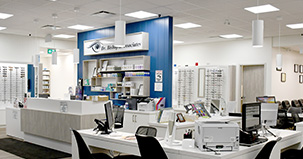
Our Address
- 575 – 10816 Macleod Trail SE
- Calgary, AB T2J 5N8
Contact Information
- Phone: (403) 974-3937
- Fax: 403-509-4859
Our Hours
Legacy Township
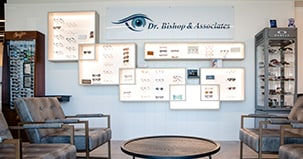
Our Address
- 230 – 200 Hartell Way SE
- Calgary, AB T2X 4S9
Contact Information
- Phone: (403) 974-3937
- Fax: 587-392-7365
Our Hours
Beacon Hill
Our Address
- 615 – 11877 Sarcee Trail NW
- Calgary, AB T3R 1W5
Contact Information
- Phone: (403) 974-3937
- Fax: 403-509-4854
Our Hours
Northgate Village
Our Address
- 103 – 495 36 St NE
- Calgary, AB T2A 6K3
Contact Information
- Phone: (403) 974-3937
- Fax: 403-509-4866
Our Hours
Our Eyewear Brands

- Ray Ban
- Tom Ford
- Zeiss
- Kate Spade
- Oakley
- Gucci
- Maui Jim
- Fossil
- Saint Laurent
- Calvin Klein
- David Beckham
- L.A.M.B.
- Fossil
- Ray Ban
- Tom Ford
- Zeiss
- Kate Spade
- Oakley
- Gucci
- Maui Jim
- Saint Laurent
- Calvin Klein
- David Beckham
- L.A.M.B.

Virtual Try-On: Effortlessly Sample Your New Look
Ready to find your perfect pair? Try on our wide range of glasses and sunglasses virtually!
Explore styles available at all our Calgary eye clinic locations.
Dr. Bishop & Associates is here to help you see the world in style.
Our Google Reviews
Willow Park Village

Legacy Township
Beacon Hill
Northgate Village
Our Office Gallery
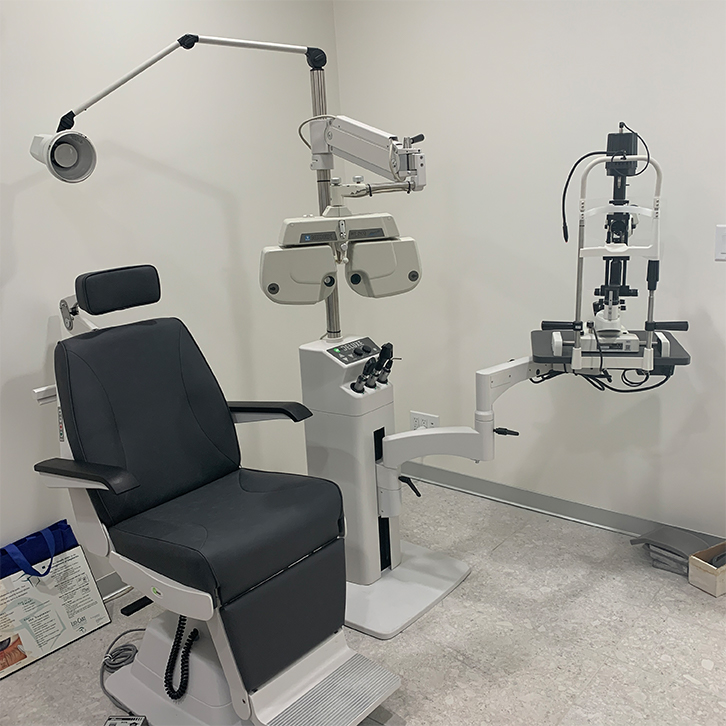


About Us
- Our Practice
- Insurance, Prices, & Payment Information
- Blog
- Frequently Asked Questions
- Sitemap
- Accessibility
- Privacy Policy
- Terms and Conditions
- Community Involvement
Request Appointment
Eye Exams
Specialty Eye Care
Beauty @ Dr. Bishops
Willow Park Village
- 575 – 10816 Macleod Trail SE
- Calgary, AB T2J 5N8
- Phone: (403) 974-3937
- Fax: 403-509-4859
Legacy Township
- 230 – 200 Hartell Way SE
- Calgary, AB T2X 4S9
- Phone: (403) 974-3937
- Fax: 587-392-7365
Shoppes @ Beacon Hill
- 615 – 11877 Sarcee Trail NW
- Calgary, AB T3R 1W5
- Phone: (403) 974-3937
- Fax: 403-509-4854